
Signs Your Security System Needs an Upgrade
A security system can be easy to ignore when it appears to be working. The cameras are recording. The doors are locking. The alarm panel is quiet. Everything seems fine.
But “still working” is not always the same as working well.
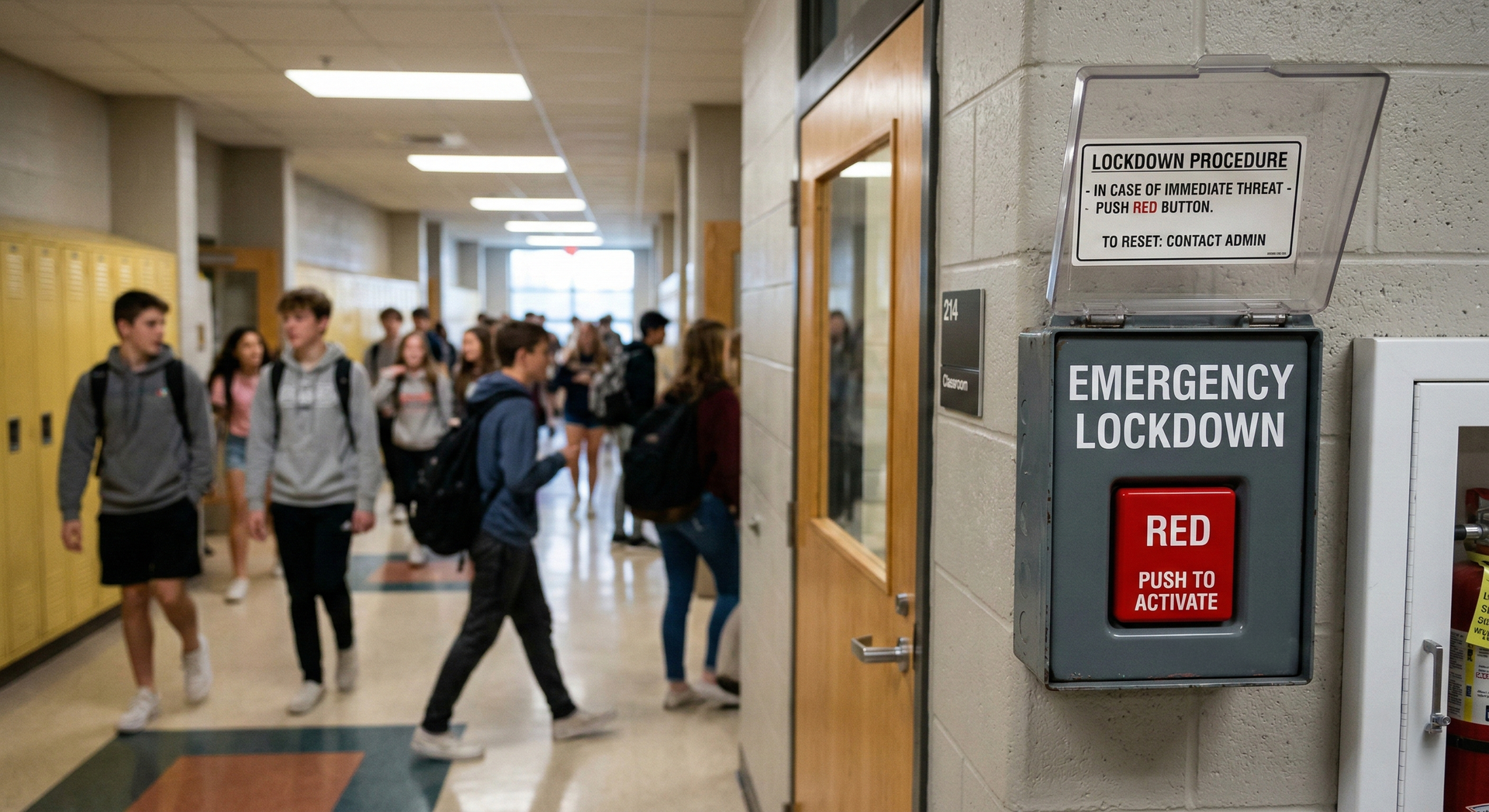
Older security systems can create blind spots, slow down response times, frustrate staff, and make it harder to protect your building. For commercial properties, schools, churches, healthcare facilities, industrial spaces, and multifamily buildings, an outdated system can also create liability and unnecessary risk.
Here are some common signs that your security system may be ready for an upgrade.
1. Your Cameras Produce Poor Video Quality
One of the clearest signs of an outdated security system is poor camera footage.
If your cameras cannot clearly capture faces, license plates, entrances, hallways, parking lots, or key activity areas, the system may not be very useful when you need it most.
Low-resolution footage can make it difficult to investigate an incident, identify a person, confirm what happened, or provide useful evidence. A camera may technically be recording, but if the image is blurry, dark, grainy, or poorly positioned, it may not give your team the information they need.
Modern video surveillance systems can provide better image quality, improved coverage, remote viewing, and smarter search tools.
2. You Have Blind Spots Around the Property
A security system should match the way your building is actually used.
If your property has changed over time, your camera coverage and access control may no longer fit your needs. New entrances, renovated spaces, added parking areas, outdoor gathering areas, delivery zones, and tenant changes can all create new security gaps.
Common blind spots include:
- Parking lots
- Side entrances
- Loading docks
- Back hallways
- Reception areas
- Stairwells
- Gates
- Playgrounds or school entrances
- Shared tenant spaces
- Equipment rooms
If your team regularly says, “We don’t have a camera there,” it may be time to review the system.
3. Your System Is Hard to Use
A security system should make your team’s job easier, not harder.
If only one person knows how to operate the system, pull footage, manage users, or change access permissions, the system may be too difficult or outdated. This becomes a major problem when that person is unavailable, leaves the organization, or needs to respond quickly during an incident.
Warning signs include:
- Complicated software
- Old computers required to access the system
- Slow video search
- Confusing user permissions
- Difficult badge management
- Limited remote access
- No mobile access
- Poor documentation
- Staff avoiding the system because it is too frustrating
A modern system should be easier to manage, easier to search, and easier to support.
4. You Still Rely Heavily on Physical Keys
Traditional keys can create major security and management challenges.
If employees, tenants, vendors, volunteers, or contractors still rely on physical keys, it can be hard to control who has access to the building. Keys can be lost, copied, passed around, or kept after someone leaves.
When that happens, the only real solution may be to rekey doors, replace hardware, and redistribute new keys.
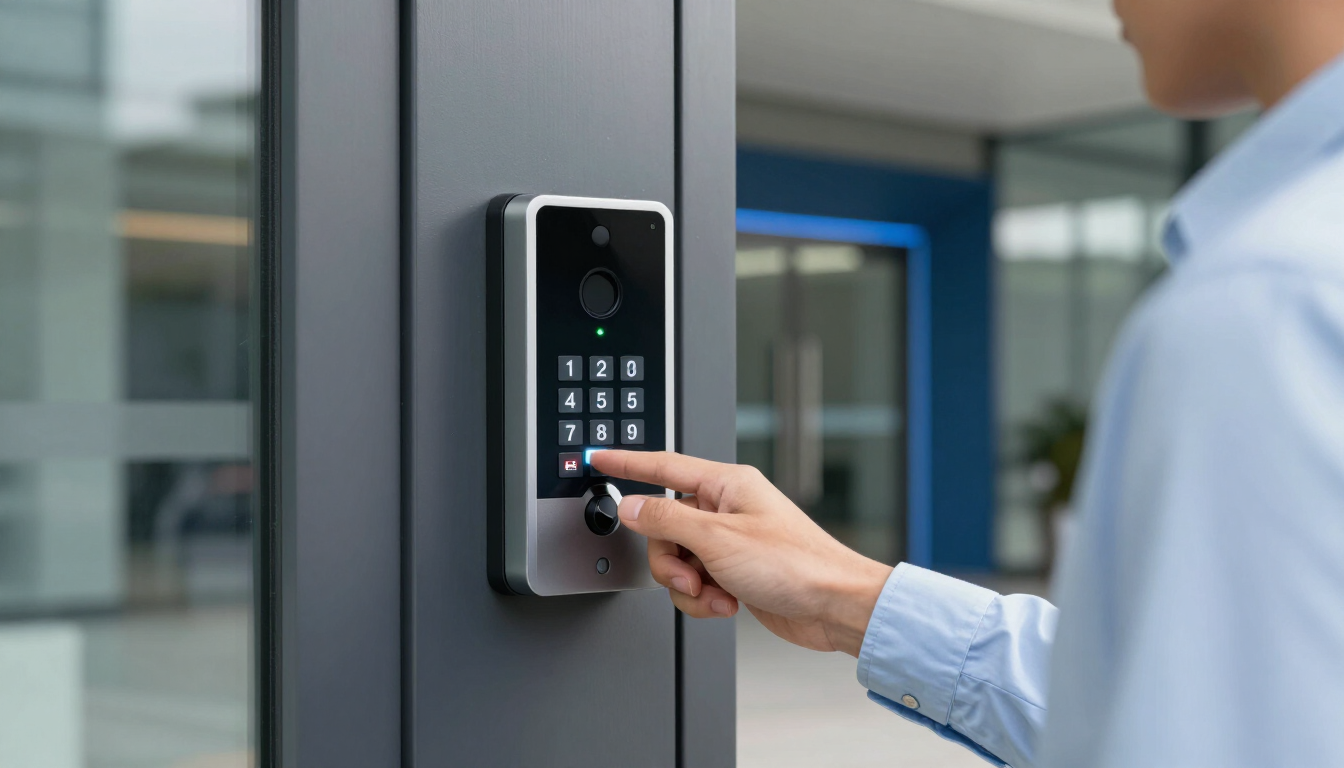
Access control gives organizations a better way to manage entry. Credentials can be added, removed, scheduled, and tracked. If someone leaves the organization, their access can be turned off without rekeying the building.
For schools, churches, offices, healthcare facilities, and multifamily properties, this can be a major improvement in both security and administration.
5. Your Cameras, Alarms, and Access Control Do Not Work Together
Many older buildings have separate systems that do not communicate with each other.
One vendor installed the cameras. Another installed the alarm system. A different system controls the doors. The result is a patchwork of technology that may technically work, but does not give your team a clear picture of what is happening.
Integrated systems can help connect video surveillance, access control, alarms, intercoms, monitoring, and other building technology. That can make it easier to respond to events, review incidents, and manage the building from one connected approach.
If your team has to log into multiple systems to understand one security event, it may be time to consider an upgrade.
6. You Cannot Access the System Remotely
Remote access is no longer a luxury for many organizations. It is often a practical need.
Property managers, administrators, security teams, and business owners may need to check cameras, manage access, or respond to alerts when they are not on site.
If your current system can only be managed from a computer in the building, that may limit your ability to respond quickly.
Modern systems may allow authorized users to view cameras, receive alerts, manage credentials, and review activity from a secure remote platform.
7. The System Is Expensive to Maintain
Older security systems often become more expensive over time.
Parts may be harder to find. Software may no longer be supported. Technicians may need more time to troubleshoot the system. Repairs may become more frequent. In some cases, the manufacturer may no longer support the product at all.
At a certain point, continuing to repair an outdated system may not be the best investment.
An upgrade can often improve reliability, reduce service issues, and give your organization better long-term support.
8. Your System Does Not Match Your Current Risk
Security needs change.
A building that was secure ten years ago may not be secure today. Your organization may have more employees, more visitors, more students, more tenants, more vendors, or more public access than it once did.
You may also have new concerns, such as:
- Workplace safety
- School security
- Visitor management
- After-hours access
- Parking lot incidents
- Tenant turnover
- Package theft
- Vandalism
- Unauthorized entry
- Emergency communication
- Liability documentation
If your system was designed for a different version of your building, it may not be the right system for your current needs.
9. You Struggle to Pull Footage When Something Happens
One of the most important tests of a security system is what happens after an incident.
Can your team quickly find the right camera?
Can they search the right time frame?
Can they export footage?
Is the video clear enough to be useful?
Is the footage stored long enough?
Can the right people access it when needed?
If pulling footage is slow, confusing, or unreliable, the system is not serving your organization well.
A better system can help your team respond faster and document incidents more clearly.
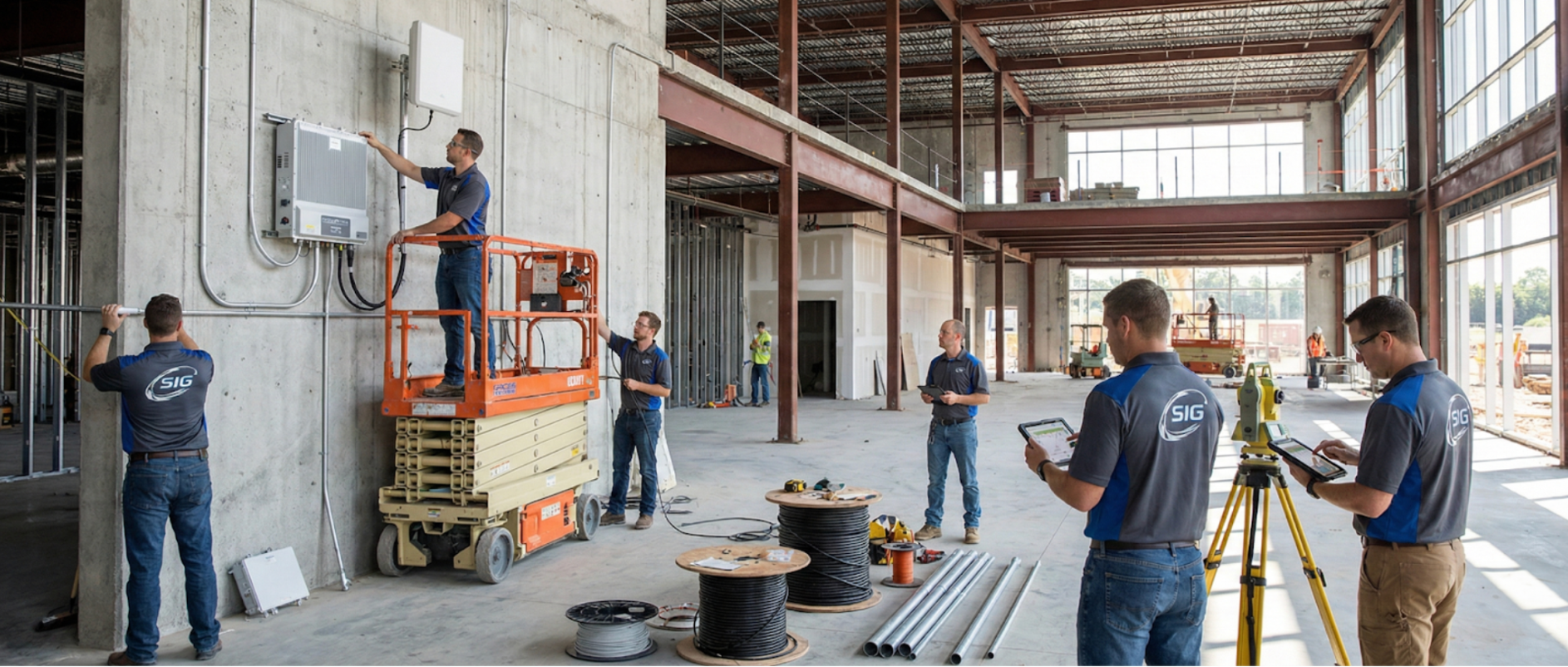
10. You Are Planning Renovations, Growth, or New Construction
The best time to think about security upgrades is before a building project is finished.
If you are renovating, expanding, changing tenants, adding classrooms, improving entrances, or building new space, it is wise to review your security system at the same time.
Planning early can help avoid expensive rework later. It also allows your low voltage, security, and construction teams to coordinate wiring, equipment locations, network needs, door hardware, camera placement, and future expansion.
Upgrade Before the System Forces Your Hand
Many organizations wait until the system fails before they think about upgrading. That can lead to rushed decisions, emergency service calls, unexpected costs, and gaps in protection.
A better approach is to evaluate the system before it becomes a problem.
An experienced security and low voltage partner can help you identify what is working, what is outdated, what can be reused, and what should be upgraded.
SIG Can Help You Evaluate Your Security System
System Integration Group provides low voltage, security, access control, video surveillance, life safety, and communication solutions for commercial and institutional buildings in the Kansas City Metro and surrounding region.
If your security system is outdated, difficult to use, or no longer fits your building, SIG can help you create a practical upgrade plan.
You may not need to replace everything at once. In many cases, the right plan can modernize the system in phases while improving reliability, usability, and protection.
Schedule a Security System Assessment
If your cameras are unclear, your access control is outdated, or your systems do not work together, now is the time to take a closer look.
Contact System Integration Group today to schedule a security system assessment and build a plan for your next upgrade.