


Blog

Fall is a good time for Kansas City businesses to take a closer look at building safety and security. Days get shorter. Temperatures begin to drop. Holiday schedules are approaching. Buildings may have different operating hours, more deliveries, changing staff schedules, and increased after-hours activity. It is also a good opportunity to address small problems before winter arrives. For business owners, property managers, schools, churches, healthcare facilities, multifamily properties, and other commercial buildings, a simple fall review can help identify issues with fire alarm systems, security cameras, access control, communications, and other important building systems. Here is a practical checklist to help get your building ready. 1. Check Your Fire Alarm Inspection and Testing Schedule Start with one of the most important systems in the building: your fire alarm. Do you know when it was last inspected and tested? Do you know when the next inspection is due? Regular inspection, testing, and maintenance helps identify problems before an emergency occurs. It can also help keep your building compliant and reduce the chance of discovering an issue at the worst possible time. Fall is a good time to review: Inspection and testing dates Fire alarm panel conditions Smoke and heat detection Horns, strobes, and notification devices Pull stations Batteries and backup power Monitoring connections Outstanding trouble signals Previous inspection deficiencies If an inspection identified a problem earlier in the year, make sure it has actually been corrected. 2. Test Your Building’s Communication Systems Many life safety and security systems depend on reliable communication. Fire alarm monitoring, elevator emergency phones, security systems, intercoms, and other equipment may need to communicate outside the building when something happens. This is particularly important as traditional POTS telephone lines continue to be replaced by newer communication technologies. If your building still depends on old copper phone lines, identify which systems use them and start developing a replacement plan. Do not wait for the phone company to discontinue a line before figuring out what it supports. 3. Review Your Security Camera Coverage Shorter fall and winter days mean more employees, tenants, customers, students, and visitors may arrive or leave when it is dark outside. That makes fall a great time to review your video surveillance system. Walk around the property and ask: Are all cameras working? Are entrances clearly visible? Can you see faces clearly? Are parking lots adequately covered? Are loading and delivery areas visible? Are there blind spots? Is nighttime footage clear? Are trees, signs, or other objects blocking cameras? Is footage being stored long enough? Can authorized staff find and export footage easily? A camera that is installed but does not provide useful footage can create a false sense of security. 4. Look Closely at Parking Lots and Exterior Areas Security should not stop at the front door. Parking lots, sidewalks, side entrances, loading docks, gates, dumpsters, and other exterior areas deserve attention, especially as daylight hours decrease. Walk the property after dark if possible. The building may look very different than it does during normal business hours. Look for poorly lit areas, camera blind spots, doors that are difficult to monitor, and places where someone could approach the building without being seen. This is also a good time to check whether exterior cameras are clean, properly positioned, and operating as expected. 5. Review Who Has Access to Your Building Fall is also a good time to review access permissions. Employees leave. New employees are hired. Vendors change. Contractors finish projects. Tenants move. Volunteers rotate. Over time, access privileges can accumulate. If your building uses electronic access control, review active credentials and remove access that is no longer needed. Consider: Former employees Former tenants Old vendors Contractors Temporary workers Volunteers Lost cards or fobs After-hours permissions Access to restricted rooms If your organization still relies heavily on traditional keys, ask a harder question: Do you actually know who has a key to your building? If the answer is no, it may be time to consider access control. 6. Check Doors and Entry Points Security technology cannot compensate for a door that does not close properly. Walk through your building and inspect exterior doors and important interior access points. Make sure doors close and latch properly. Look for damaged hardware, doors being propped open, malfunctioning card readers, and other issues that could allow unauthorized entry. Pay special attention to entrances that are used less frequently. A side or rear door that receives little attention can become one of the building’s biggest security vulnerabilities. 7. Review Emergency Communication If an emergency happened today, how would you communicate with people throughout the building? Depending on the facility, this may involve paging, intercoms, mass notification, emergency phones, fire alarm notification, or other communication systems. Schools, churches, healthcare facilities, larger offices, industrial facilities, and public buildings should pay particular attention to this area. Make sure the systems your emergency plan depends on are actually working and that staff understand how they are used. 8. Address Trouble Signals and Small Problems Small problems have a way of becoming permanent when everyone gets used to them. Maybe a camera has been offline for months. A door reader works only sometimes. The fire alarm panel has an intermittent trouble signal. An intercom has stopped working. A staff member has been meaning to call someone about an issue. Fall is a good time to clear that list. Life safety and security problems should not become part of the normal operation of the building. If something is not working properly, have it evaluated and serviced. 9. Think About Holiday and After-Hours Security Fall leads quickly into the holiday season. Businesses may close for additional days, employees may take vacation, schools may have extended breaks, and buildings may sit empty for longer periods. There may also be more packages, deliveries, temporary workers, events, and visitors. Review your plans for: Holiday building schedules After-hours access Temporary credentials Deliveries Alarm monitoring Camera alerts Building closures Vendor access Emergency contacts Making these decisions ahead of time is much easier than responding to a security issue during a holiday weekend. 10. Start Planning Next Year’s Upgrades Not everything needs to be replaced immediately. A fall assessment can help identify which systems are working well, which need service, and which should be included in next year’s budget. Maybe your cameras need better coverage. Perhaps traditional keys need to be replaced with access control. Your fire alarm system may be aging. Your building may still rely on POTS lines. Or several separate systems may need to be integrated. Identifying those needs now gives your organization time to plan and budget instead of waiting for a failure. A Fall Checkup Can Prevent Winter Problems You do not need to wait for an inspection failure, security incident, or system outage to evaluate your building. Taking a proactive approach can help uncover problems while there is still time to address them. For Kansas City businesses and organizations, fall is a natural time to review the systems that protect your people, property, and operations. Get Your Kansas City Building Ready for Fall System Integration Group helps commercial and institutional clients throughout the Kansas City Metro inspect, service, install, and upgrade fire alarm, life safety, security, access control, video surveillance, communication, and low-voltage systems. If you are not sure whether your building is ready for the months ahead, SIG can help you identify what is working, what needs attention, and what should be part of your long-term plan. Contact System Integration Group today to schedule a life safety and security system assessment for your Kansas City property.

A security system can be easy to ignore when it appears to be working. The cameras are recording. The doors are locking. The alarm panel is quiet. Everything seems fine. But “still working” is not always the same as working well. Older security systems can create blind spots, slow down response times, frustrate staff, and make it harder to protect your building. For commercial properties, schools, churches, healthcare facilities, industrial spaces, and multifamily buildings, an outdated system can also create liability and unnecessary risk. Here are some common signs that your security system may be ready for an upgrade. 1. Your Cameras Produce Poor Video Quality One of the clearest signs of an outdated security system is poor camera footage. If your cameras cannot clearly capture faces, license plates, entrances, hallways, parking lots, or key activity areas, the system may not be very useful when you need it most. Low-resolution footage can make it difficult to investigate an incident, identify a person, confirm what happened, or provide useful evidence. A camera may technically be recording, but if the image is blurry, dark, grainy, or poorly positioned, it may not give your team the information they need. Modern video surveillance systems can provide better image quality, improved coverage, remote viewing, and smarter search tools. 2. You Have Blind Spots Around the Property A security system should match the way your building is actually used. If your property has changed over time, your camera coverage and access control may no longer fit your needs. New entrances, renovated spaces, added parking areas, outdoor gathering areas, delivery zones, and tenant changes can all create new security gaps. Common blind spots include: Parking lots Side entrances Loading docks Back hallways Reception areas Stairwells Gates Playgrounds or school entrances Shared tenant spaces Equipment rooms If your team regularly says, “We don’t have a camera there,” it may be time to review the system. 3. Your System Is Hard to Use A security system should make your team’s job easier, not harder. If only one person knows how to operate the system, pull footage, manage users, or change access permissions, the system may be too difficult or outdated. This becomes a major problem when that person is unavailable, leaves the organization, or needs to respond quickly during an incident. Warning signs include: Complicated software Old computers required to access the system Slow video search Confusing user permissions Difficult badge management Limited remote access No mobile access Poor documentation Staff avoiding the system because it is too frustrating A modern system should be easier to manage, easier to search, and easier to support. 4. You Still Rely Heavily on Physical Keys Traditional keys can create major security and management challenges. If employees, tenants, vendors, volunteers, or contractors still rely on physical keys, it can be hard to control who has access to the building. Keys can be lost, copied, passed around, or kept after someone leaves. When that happens, the only real solution may be to rekey doors, replace hardware, and redistribute new keys. Access control gives organizations a better way to manage entry. Credentials can be added, removed, scheduled, and tracked. If someone leaves the organization, their access can be turned off without rekeying the building. For schools, churches, offices, healthcare facilities, and multifamily properties, this can be a major improvement in both security and administration. 5. Your Cameras, Alarms, and Access Control Do Not Work Together Many older buildings have separate systems that do not communicate with each other. One vendor installed the cameras. Another installed the alarm system. A different system controls the doors. The result is a patchwork of technology that may technically work, but does not give your team a clear picture of what is happening. Integrated systems can help connect video surveillance, access control, alarms, intercoms, monitoring, and other building technology. That can make it easier to respond to events, review incidents, and manage the building from one connected approach. If your team has to log into multiple systems to understand one security event, it may be time to consider an upgrade. 6. You Cannot Access the System Remotely Remote access is no longer a luxury for many organizations. It is often a practical need. Property managers, administrators, security teams, and business owners may need to check cameras, manage access, or respond to alerts when they are not on site. If your current system can only be managed from a computer in the building, that may limit your ability to respond quickly. Modern systems may allow authorized users to view cameras, receive alerts, manage credentials, and review activity from a secure remote platform. 7. The System Is Expensive to Maintain Older security systems often become more expensive over time. Parts may be harder to find. Software may no longer be supported. Technicians may need more time to troubleshoot the system. Repairs may become more frequent. In some cases, the manufacturer may no longer support the product at all. At a certain point, continuing to repair an outdated system may not be the best investment. An upgrade can often improve reliability, reduce service issues, and give your organization better long-term support. 8. Your System Does Not Match Your Current Risk Security needs change. A building that was secure ten years ago may not be secure today. Your organization may have more employees, more visitors, more students, more tenants, more vendors, or more public access than it once did. You may also have new concerns, such as: Workplace safety School security Visitor management After-hours access Parking lot incidents Tenant turnover Package theft Vandalism Unauthorized entry Emergency communication Liability documentation If your system was designed for a different version of your building, it may not be the right system for your current needs. 9. You Struggle to Pull Footage When Something Happens One of the most important tests of a security system is what happens after an incident. Can your team quickly find the right camera? Can they search the right time frame? Can they export footage? Is the video clear enough to be useful? Is the footage stored long enough? Can the right people access it when needed? If pulling footage is slow, confusing, or unreliable, the system is not serving your organization well. A better system can help your team respond faster and document incidents more clearly. 10. You Are Planning Renovations, Growth, or New Construction The best time to think about security upgrades is before a building project is finished. If you are renovating, expanding, changing tenants, adding classrooms, improving entrances, or building new space, it is wise to review your security system at the same time. Planning early can help avoid expensive rework later. It also allows your low voltage, security, and construction teams to coordinate wiring, equipment locations, network needs, door hardware, camera placement, and future expansion. Upgrade Before the System Forces Your Hand Many organizations wait until the system fails before they think about upgrading. That can lead to rushed decisions, emergency service calls, unexpected costs, and gaps in protection. A better approach is to evaluate the system before it becomes a problem. An experienced security and low voltage partner can help you identify what is working, what is outdated, what can be reused, and what should be upgraded. SIG Can Help You Evaluate Your Security System System Integration Group provides low voltage, security, access control, video surveillance, life safety, and communication solutions for commercial and institutional buildings in the Kansas City Metro and surrounding region. If your security system is outdated, difficult to use, or no longer fits your building, SIG can help you create a practical upgrade plan. You may not need to replace everything at once. In many cases, the right plan can modernize the system in phases while improving reliability, usability, and protection. Schedule a Security System Assessment If your cameras are unclear, your access control is outdated, or your systems do not work together, now is the time to take a closer look. Contact System Integration Group today to schedule a security system assessment and build a plan for your next upgrade.
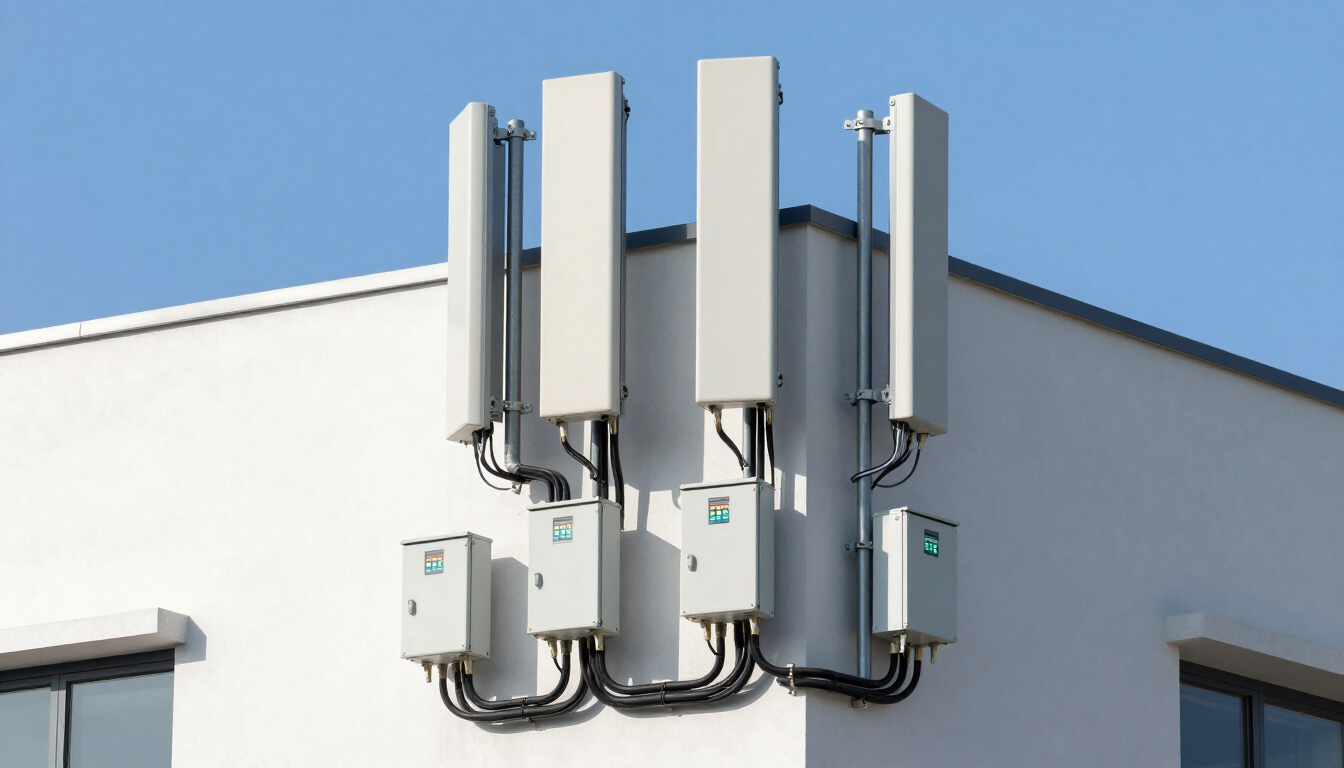
For years, many commercial buildings have relied on traditional phone lines to support important communication systems. Fire alarm panels, elevator phones, security systems, access control equipment, gates, and other building systems often depended on POTS lines, also known as “plain old telephone service.” But those lines are becoming harder to maintain, more expensive to keep, and less reliable as carriers move away from legacy copper infrastructure. For building owners, facility managers, schools, churches, healthcare facilities, and commercial properties, this creates an important question: What is the plan forward? POTS Lines Are Not the Future Traditional copper phone lines were once the standard for many building communication systems. They were familiar, widely available, and commonly used for alarm monitoring and emergency communication. That is changing. Across the country, carriers are retiring copper networks, limiting support for old phone lines, raising costs, and moving customers toward newer communication technologies. In some cases, property owners may not realize how many critical systems still depend on these legacy lines until there is a service issue, a failed test, or a notice from the carrier. Waiting until a line fails is not a good plan. Why This Matters for Life Safety and Security Systems Losing a standard phone line may sound like a simple telecom issue, but for many buildings, it can directly affect safety, monitoring, and emergency response. POTS lines may still be connected to: Fire alarm communicators Elevator emergency phones Security alarm systems Access control systems Gate entry systems Emergency call boxes Fax lines Building automation equipment Remote monitoring equipment If the communication path is unreliable, disconnected, or unsupported, the system may not be able to send the signals it was designed to send. That creates risk for the building, the people inside, and the organization responsible for maintaining the system. The Problem Is Bigger Than Cost Many property owners first notice the POTS issue because of rising monthly phone bills. A line that used to feel like a minor utility expense may suddenly become a major budget item. But cost is only one part of the problem. The bigger concerns are reliability, code compliance, service availability, and long-term support. Older copper lines can become difficult to repair. Service windows may be longer. Replacement parts and carrier support may become limited. In some areas, the carrier may no longer want to support the infrastructure at all. When a fire alarm, elevator phone, or security system depends on that line, the risk becomes much more serious than a phone bill. The Plan Forward Starts With an Assessment The first step is to identify which systems in your building still rely on POTS lines. Many buildings have more lines than the owner or manager realizes. Some are active. Some are rarely used. Some are connected to critical equipment. Others may no longer be needed. A proper assessment should answer questions like: How many POTS lines are currently active? Which systems are connected to each line? Are any lines used for fire alarm monitoring? Are any lines used for elevator emergency communication? Are any lines used for security, access control, or gates? Are the current communication paths code compliant? Are there better options available? What should be replaced first? Without this information, it is difficult to make a smart plan. Replacement Options Depend on the System There is no single replacement that fits every building and every application. Some systems may be able to use cellular communication. Others may use IP-based communication. Some may require a dedicated commercial communicator that is designed for life safety or emergency use. In some cases, the existing panel or equipment may need to be upgraded so it can communicate properly using modern technology. The right solution depends on the system, the building, the local authority having jurisdiction, the monitoring requirements, and the level of reliability needed. That is why it is important to work with a qualified life safety and low voltage provider instead of treating this as a basic phone service change. Fire Alarm Communication Requires Special Attention Fire alarm systems should never be moved to a new communication method casually. These systems are subject to specific requirements for signal transmission, supervision, backup power, monitoring, and documentation. A standard internet phone service or basic VoIP connection may not be appropriate for fire alarm communication. Before replacing a fire alarm phone line, the system should be reviewed by a qualified provider. The new communication path should be selected, installed, tested, and documented properly. This protects the building owner and helps ensure the system continues to perform as intended. Elevator Phones and Emergency Communication Also Matter Elevator emergency phones are another common POTS-line issue. These phones must allow someone inside the elevator to reach help during an emergency. If the phone line is disconnected, unreliable, or replaced with the wrong type of service, the building may create a serious safety and compliance problem. Any replacement plan should include elevator communication lines, emergency phones, and any other systems that provide life safety or emergency communication. Don’t Wait for a Carrier Notice Some organizations wait until they receive a notice from the phone company before making a plan. That can create unnecessary pressure. If a deadline is approaching, the building owner may have to make a quick decision, schedule emergency work, or replace multiple lines at once. If the system needs parts, programming, testing, or approval, the timeline can get tight quickly. A proactive plan gives you time to assess the building, prioritize critical systems, budget properly, and make the transition in an orderly way. A Smart Communication Plan Should Include A good plan for replacing POTS lines should include: A full inventory of current phone lines Identification of all connected systems Priority ranking for life safety and emergency systems Review of fire alarm and elevator communication needs Recommended replacement technologies Testing and documentation Coordination with monitoring providers Coordination with the authority having jurisdiction when needed A phased timeline for replacement Ongoing inspection, testing, and service The goal is not just to remove old phone lines. The goal is to keep the building connected, compliant, and protected. SIG Can Help You Plan the Transition At System Integration Group, we help commercial and institutional clients evaluate, upgrade, and maintain the communication systems that support fire alarm, life safety, security, access control, and building technology. If your building still depends on POTS lines, now is the time to identify what is connected, what is at risk, and what needs to happen next. Whether you need to replace fire alarm communication lines, review elevator emergency phones, modernize security communication, or build a long-term plan for your facility, SIG can help you move forward with confidence. Don’t Lose Communication Before You Have a Plan POTS lines are going away, but your building still needs reliable communication. Contact System Integration Group today to schedule a communication assessment and create a plan for replacing legacy phone lines before they become a problem.
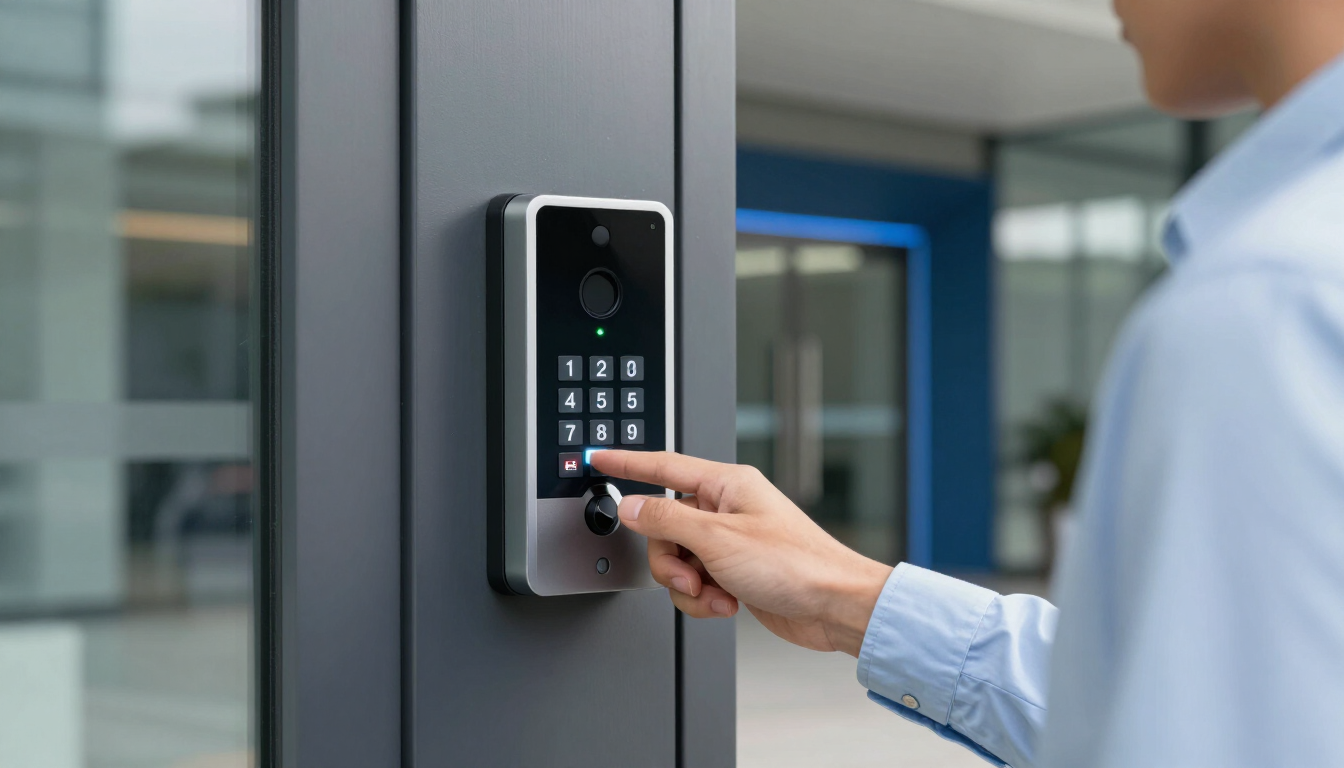
For many buildings, traditional keys have been the standard for decades. They are simple, familiar, and easy to hand out. But as organizations grow, buildings change, and security needs become more complex, physical keys can create real problems. For commercial properties, schools, churches, healthcare facilities, multifamily buildings, and industrial spaces, access control can offer a better way to manage who gets into the building, when they can enter, and what areas they can access. So how does access control compare to traditional keys? Let’s look at the difference. Traditional Keys Are Simple, But They Have Limits Traditional keys are easy to understand. A person has a key, and that key opens a door. That simplicity can be helpful, but it also creates problems. Once a key is handed out, it can be hard to control. Keys can be lost, copied, passed to someone else, or kept after an employee, tenant, volunteer, vendor, or contractor leaves. In many cases, the building owner may not know how many copies exist. That creates a serious security concern. If a key is lost or someone leaves the organization without returning it, the only safe option may be to rekey the door or replace the lock. For larger buildings with many doors and many users, that can become expensive and time-consuming. Access Control Gives You More Control Access control replaces or reduces the need for traditional keys by using cards, fobs, codes, mobile credentials, or other approved methods to manage entry. Instead of handing someone a physical key, you give them a credential. That credential can be added, changed, limited, or removed from the system. This gives building owners and managers much more control. If an employee leaves, their access can be turned off. If a vendor only needs access on certain days, their access can be scheduled. If a staff member should enter one area but not another, permissions can be adjusted. With traditional keys, control is limited. With access control, control is managed. The Biggest Difference Is Accountability One of the biggest advantages of access control is visibility. Traditional keys usually do not tell you who entered the building, when they entered, or which door they used. If several people have copies of the same key, there may be no clear way to know who accessed the building. Access control can provide an activity history. Depending on the system, building managers may be able to review which credential was used, at what door, and at what time. That can be helpful for: Investigating incidents Managing employees Reviewing after-hours access Tracking vendor entry Supporting tenant security Improving school safety Reducing unauthorized access Documenting building activity This does not just improve security. It also helps organizations manage responsibility. Traditional Keys Can Become Expensive Over Time At first, traditional keys may seem less expensive than access control. A lock and key is simple, and the upfront cost may be lower. But over time, keys can become costly. Consider the cost of: Rekeying locks Replacing lost keys Changing locks after staff turnover Managing master keys Responding to unauthorized copies Coordinating keys for vendors and contractors Securing multiple doors across a larger facility For small buildings with limited access needs, traditional keys may still make sense in some areas. But for larger organizations or buildings with frequent staff, tenant, or vendor changes, access control can become a better long-term investment. Access Control Is Easier to Update Buildings change. Employees come and go. Tenants move in and out. Vendors need temporary access. New rooms are added. Sensitive areas need better protection. Public entrances may need to be secured during certain hours. Traditional keys make those changes difficult. Access control makes them easier. Permissions can often be updated without changing hardware at every door. A manager can remove one person, add another, or adjust a schedule without collecting and redistributing keys. That flexibility is especially valuable for schools, churches, medical facilities, office buildings, and multifamily properties where access needs are always changing. Access Control Can Improve Safety Access control is not just about convenience. It can also improve safety. For example, a school may want to limit exterior door access during the day. A church may need to manage access for staff, volunteers, ministries, and events. A healthcare facility may need to protect staff-only areas. A commercial building may need to separate public spaces from private offices or equipment rooms. Access control can help make sure the right people have access to the right places at the right times. It can also help reduce the number of unlocked doors, unmanaged keys, and informal access habits that create risk over time. Traditional Keys Still Have a Place Access control does not always mean every key disappears. Many buildings still use a combination of electronic access and traditional locks. Mechanical keys may still be used for certain doors, backup access, maintenance needs, or specific secure areas. The goal is not always to remove every key from the building. The goal is to reduce unnecessary risk and improve control where it matters most. A good access control plan looks at the building, the people using it, the budget, the security needs, and the long-term management plan. Which Option Is Better? The answer depends on the building. Traditional keys may be enough for a small space with limited users and low turnover. Access control is usually a better option when a building has: Multiple employees, tenants, or users Frequent staff changes Vendors or contractors needing access Sensitive rooms or restricted areas Multiple exterior doors After-hours access needs Safety or liability concerns A need for access history A desire to reduce rekeying costs Plans for future growth If managing keys has become frustrating, expensive, or risky, it may be time to consider access control. Access Control Can Be Phased In One of the common misconceptions about access control is that everything has to be replaced at once. That is not always true. Many buildings can start with the most important doors first, such as main entrances, staff entrances, office areas, server rooms, storage rooms, or other sensitive spaces. Additional doors can be added later as the budget allows. A phased approach can make the upgrade more manageable while still improving security where it matters most. SIG Can Help You Build the Right Access Control Plan System Integration Group helps commercial and institutional buildings in the Kansas City Metro plan, install, service, and upgrade access control and security systems. Whether your building is still relying on traditional keys, dealing with constant rekeying, or looking for a better way to manage staff, tenant, vendor, or visitor access, SIG can help you create a practical plan. The right system should fit your building, your people, your budget, and your long-term security needs. Take Control of Building Access Traditional keys may be familiar, but they are not always the safest or most efficient way to manage a modern building. Access control gives you more flexibility, better visibility, and a stronger way to manage who enters your property. If you are ready to reduce key problems and improve building security, contact System Integration Group today to schedule an access control assessment.
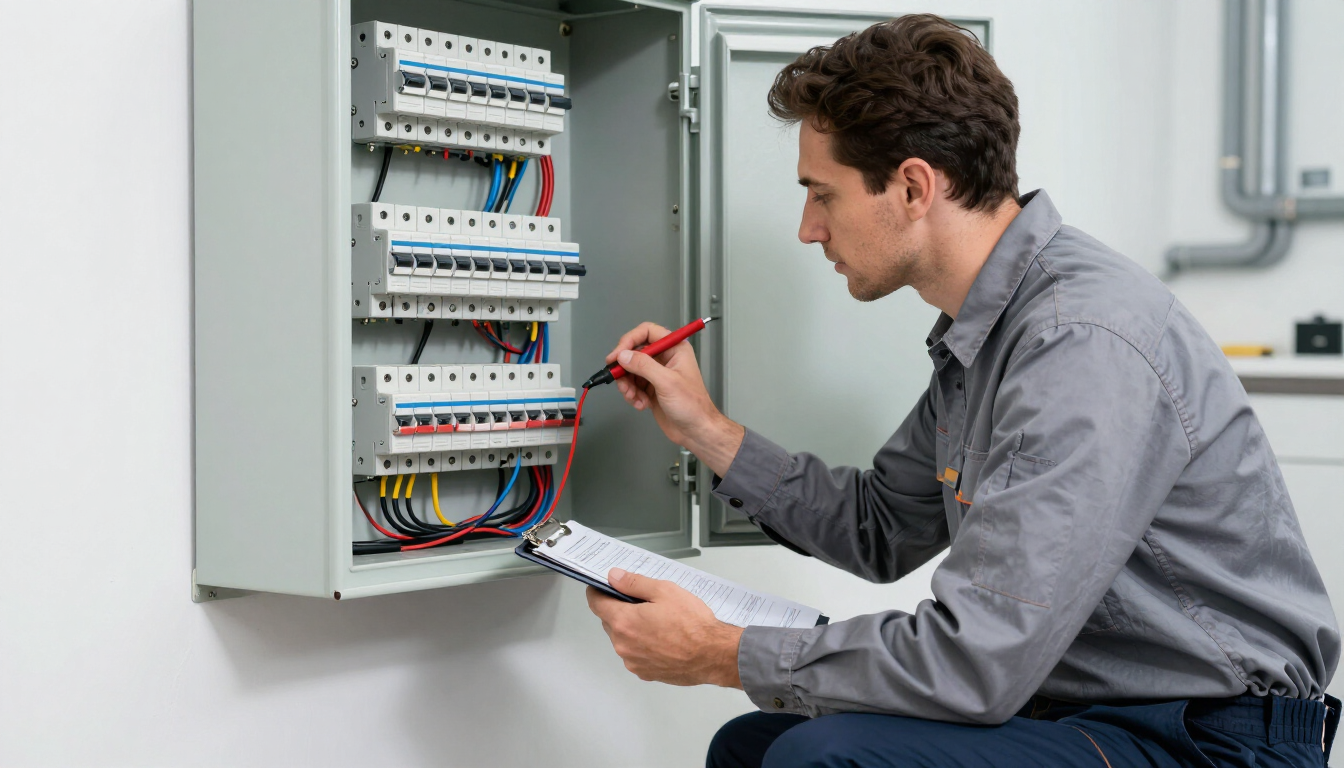
Fire alarm, life safety, and security systems are easy to overlook when everything seems to be working. The panel is quiet. The building is operating normally. No one is thinking about the system until there is a trouble signal, an inspection deadline, or an emergency. But these systems are not designed to be “set it and forget it.” They need routine inspection, testing, and service to make sure they are ready when people need them most. For commercial buildings, schools, multifamily properties, churches, healthcare facilities, and industrial spaces, timely inspection and testing is not just a good maintenance habit. It is a key part of protecting people, protecting property, staying compliant, and avoiding costly surprises. Your System Has to Work When It Matters Most The main purpose of a fire alarm or life safety system is simple: alert people quickly, help them respond safely, and support first responders during an emergency. If a device is dirty, damaged, disconnected, obstructed, outdated, or not communicating properly with the control panel, the system may not perform the way it should. A small issue that goes unnoticed during normal operations can become a serious problem during an emergency. Regular inspection and testing helps verify that important parts of the system are working properly, including: Control panels Pull stations Smoke detectors Heat detectors Horns, strobes, and notification devices Batteries and power supplies Monitoring connections Communication pathways Annunciators Connected building systems When these components are inspected and tested on schedule, building owners and facility managers have greater confidence that the system is ready to respond. Inspection and Testing Helps Keep Your Building Code Compliant Fire alarm and life safety systems are subject to local code requirements, adopted standards, and authority having jurisdiction requirements. In many cases, building owners are responsible for keeping systems inspected, tested, maintained, and documented. That documentation matters. If the fire marshal, insurance company, property manager, school administrator, or building owner needs proof that the system has been tested, clear records can help show that the building is being managed responsibly. Missing inspections or incomplete documentation can create unnecessary stress, delays, violations, or added expense. Staying ahead of the schedule is much easier than trying to catch up after a problem is discovered. Timely Service Can Prevent Bigger Repairs Later A routine inspection can uncover small issues before they become bigger problems. For example, an inspection may reveal a device that needs cleaning, a battery that is near the end of its life, a trouble condition, a communication issue, a damaged notification appliance, or a component that no longer meets the needs of the building. Addressing those items early can often help avoid emergency service calls, failed inspections, system downtime, and more expensive repairs. In many buildings, the life safety system is connected to other systems or building operations. When one part of the system is not working correctly, it can affect more than one area of the property. Timely service helps reduce that risk. Inspection and Testing Protects More Than the Building Fire alarm and life safety systems are about people first. Employees, students, residents, patients, visitors, tenants, and first responders all depend on these systems to do their job. A properly maintained system can help people get out safely, reduce confusion, and support a faster emergency response. For schools and public buildings, this is especially important. Families, staff, and community members expect the building to be prepared. Routine inspection and service is one practical way to steward that responsibility well. It Also Helps Protect Owners, Managers, and Organizations When something goes wrong, one of the first questions is often, “Was the system maintained properly?” Regular inspection, testing, and service helps reduce liability by showing that the property owner or organization took reasonable steps to maintain the system. It also helps support insurance requirements, lease obligations, safety policies, and internal facility standards. Skipping inspections may save a little time in the moment, but it can create much larger problems later. Don’t Wait for a Trouble Signal A trouble signal should never be ignored, but it also should not be the only time your system gets attention. The better approach is to stay on a routine schedule. Planned inspection and service helps your team know what is working, what needs attention, and what should be budgeted for in the future. This is especially helpful for older buildings, growing facilities, or properties that have gone through renovations, tenant changes, additions, or technology upgrades. What Happens During a Professional Inspection? A professional inspection may include visual inspection, functional testing, device testing, panel review, documentation, troubleshooting, and recommendations for repair or service. The goal is not just to check a box. The goal is to verify that the system is operating properly and to identify anything that could affect performance, compliance, or safety. A qualified life safety provider can also help explain what needs immediate attention, what should be monitored, and what may need to be upgraded over time. Stay Ahead of the Deadline Waiting until the last minute can create problems, especially if the inspection reveals needed repairs. If parts need to be ordered, programming needs to be updated, or a technician needs to return for service, a tight deadline can become stressful quickly. Scheduling inspection and testing in a timely manner gives your team room to address issues before they become urgent. It also helps keep your building inspection-ready throughout the year. Work With a Qualified Life Safety Partner At System Integration Group, we serve the Kansas City Metro with fire, life safety, security, and communication solutions for commercial and institutional buildings. Our team understands the importance of reliable systems, clear documentation, and timely service. We have certified technicians with factory and nicet certifications. Whether your building needs routine inspection, testing, troubleshooting, service, upgrades, or a larger system evaluation, SIG can help you take the next step with confidence. If your system is due for inspection or you are not sure when it was last tested, now is the right time to schedule service. Schedule Inspection and Testing for Your Building Do not wait until there is a problem, a failed inspection, or an emergency. Contact System Integration Group today to schedule fire alarm, life safety, or security system inspection and testing for your facility in the Kansas City Metro.
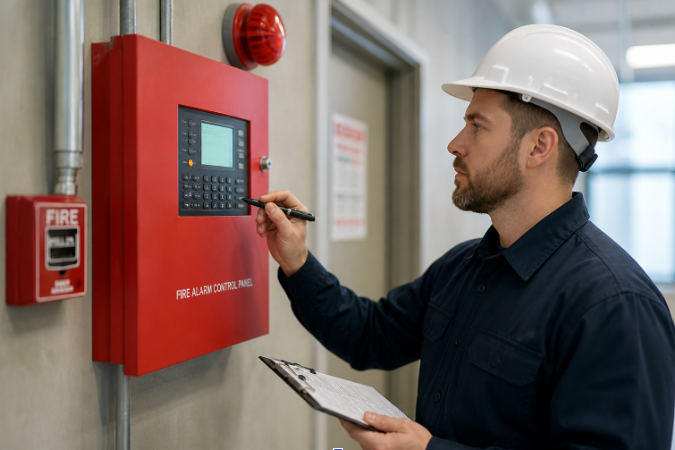
At some point, every building owner faces the same question. Is it time to upgrade the fire alarm system, or is a full replacement the smarter move? It sounds like a straightforward decision, but it rarely is. Both options can improve safety and bring your building into compliance. The challenge is knowing which path actually makes sense for your situation. If you are trying to decide between a fire alarm system upgrade and a full replacement, it helps to step back and look at what your system is really telling you. Why This Decision Deserves a Closer Look A fire alarm system is not something you can afford to guess on. It plays a direct role in life safety, building compliance, and liability. When systems begin to age, the warning signs are not always dramatic. Sometimes it shows up as a nuisance trouble signal, a device that needs constant attention, or an inspection that suddenly gets more complicated than it used to be. The risk is going too far in either direction. Replacing a system too early can be a heavy and unnecessary expense. Waiting too long can lead to repeated failures, rising service costs, and exposure during an emergency. The right decision sits somewhere in the middle, and it starts with understanding the difference between upgrading and replacing. What a Fire Alarm System Upgrade Really Means An upgrade focuses on improving the system you already have. It is not about starting over. It is about strengthening what is still working and modernizing the areas that are not. In many buildings, that might mean updating the control panel, replacing aging devices, or improving how the system communicates with monitoring services. Sometimes it also involves expanding coverage if the building has changed over time. When the core of the system is still solid and supported by the manufacturer, an upgrade can extend its life and bring it in line with current expectations. When an Upgrade Is the Right Call There are plenty of cases where a fire alarm system upgrade makes practical sense. If your system is still passing inspections and replacement parts are available, that is usually a good sign that you are not at the end of the road yet. Many systems can continue performing well with targeted improvements. You might also notice that issues are limited to specific areas. A few failing devices or outdated components do not always justify replacing everything. In those situations, a focused upgrade can solve the problem without creating unnecessary disruption. Another factor is timing. Some building owners prefer to improve systems in stages rather than take on a large capital expense all at once. A well-planned upgrade strategy can make that possible while still improving reliability. When a Full Fire Alarm System Replacement Makes More Sense There is a point where upgrading starts to feel like patchwork. That is usually when a full fire alarm system replacement needs to be taken seriously. One of the clearest signs is when a system becomes unreliable. Frequent false alarms, recurring trouble signals, or failed inspections often point to deeper issues that upgrades will not fix. Obsolescence is another major factor. When manufacturers stop supporting a system, even small repairs can turn into a challenge. Parts become harder to find, costs go up, and downtime increases. You may also run into limitations with code compliance. As fire codes evolve, older systems may not be capable of meeting new requirements without significant changes. At that point, starting fresh can be more efficient than trying to force an outdated system to keep up. Building changes can also drive the decision. Renovations, expansions, or shifts in occupancy can outgrow the design of the original system. A replacement allows you to align your fire alarm system with how the building is actually used today. Looking Beyond the Upfront Cost Cost is always part of the conversation, but it should not be the only factor. An upgrade will usually come with a lower upfront price, which makes it appealing in the short term. A full replacement requires a larger investment, but it often reduces service calls, improves reliability, and positions the building for the future. It helps to think in terms of total cost over time. A system that needs constant attention can quietly become more expensive than a new system that runs clean and passes inspections without issue. The Growing Importance of Integration Modern fire alarm systems are no longer isolated. They are part of a larger network of building systems that need to work together during critical moments. If your current system cannot communicate effectively with other systems like access control, elevators, or emergency communications, that limitation can become a problem. In some cases, this is the tipping point that pushes a building toward full replacement rather than continued upgrades. A newer system is often designed with integration in mind, which makes the building more responsive and easier to manage when it matters most. Making a Clear, Confident Decision The best way to approach this decision is with a clear assessment of your current system. That means looking at its age, condition, service history, and ability to meet current code requirements. From there, the path usually becomes more obvious. Some systems simply need a thoughtful upgrade to keep performing well. Others have reached a stage where replacement is the more responsible long-term decision. A Practical Approach from System Integration Group At System Integration Group, we work with building owners who are trying to answer this exact question. Our role is not to push you toward an upgrade or a full replacement. It is to evaluate what you have, identify the risks, and help you choose the option that makes the most sense for your building. The goal is simple. A fire alarm system that is reliable, compliant, and ready when you need it. Not Sure Where Your System Stands? If you are on the fence about whether to upgrade your fire alarm system or move forward with a full replacement, a professional evaluation is the best place to start. We can help you understand exactly where your system stands and what your next step should be. Reach out to System Integration Group to schedule a consultation.
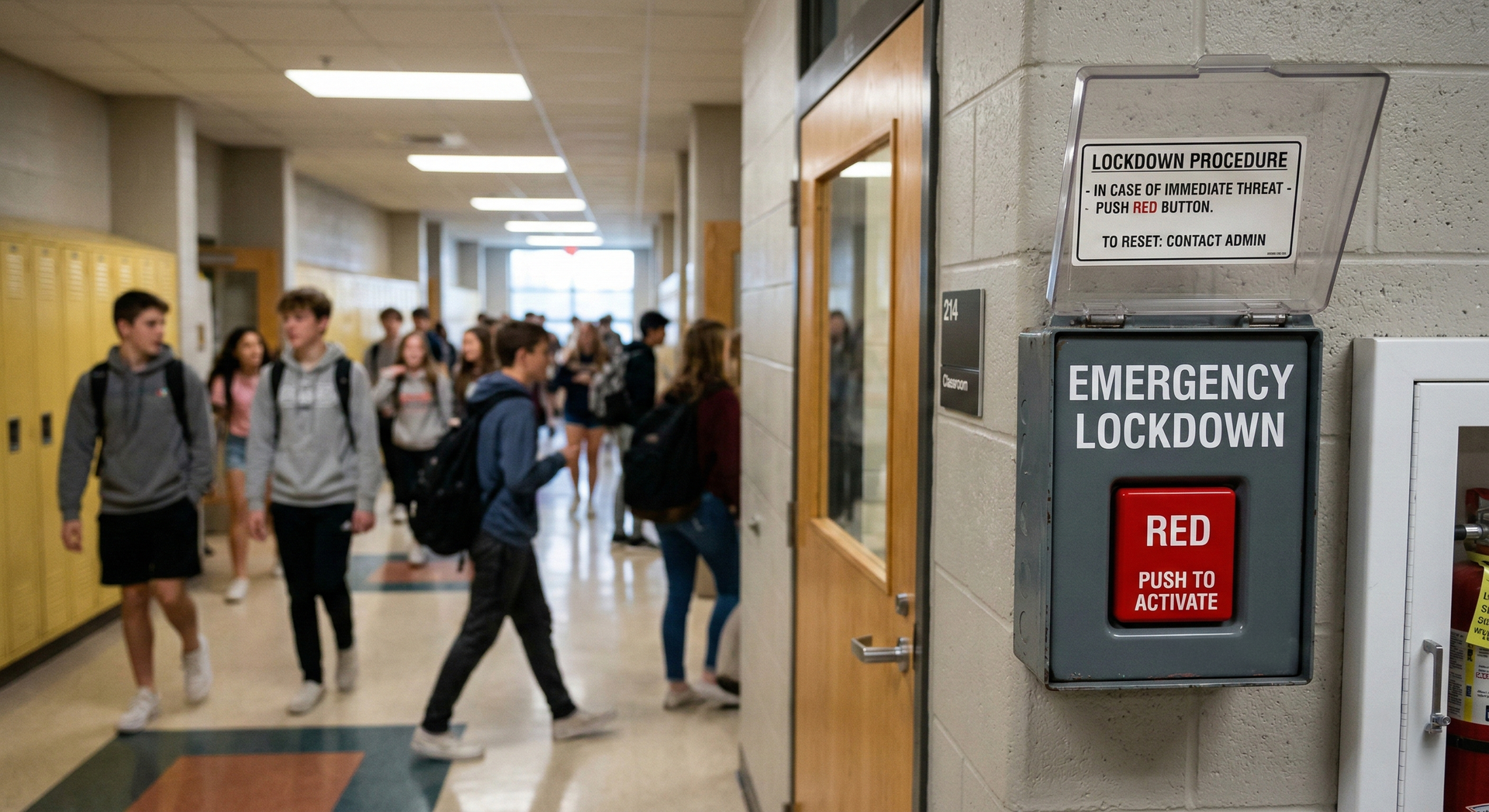
School safety has moved from policy discussions to practical implementation. Across the country, districts are being asked to evaluate how quickly they can respond to an emergency inside a building. One of the most talked about developments in this space is Alyssa’s Law. For administrators, facility directors, and school boards, understanding what this law requires and how it connects to broader school safety efforts is essential. At its core, Alyssa’s Law is about response time. What Is Alyssa’s Law Alyssa’s Law is named after Alyssa Alhadeff, a student who was killed in the 2018 school shooting at Marjory Stoneman Douglas High School in Parkland, Florida. The law requires public schools to install silent panic alarm systems that are directly linked to law enforcement. The purpose is simple: to reduce the time it takes for first responders to be notified when a life threatening emergency occurs. Instead of relying on a phone call, which may not be possible during a crisis, staff can activate a panic alert through a fixed button, wearable device, or mobile app. The alert immediately notifies law enforcement and often school security teams as well. Several states have adopted versions of Alyssa’s Law, and more are considering similar legislation. Even in states where it is not yet mandated, districts are moving in this direction voluntarily as part of broader safety initiatives. How the Safer School Coalition Fits In Alyssa’s Law does not exist in isolation. It is often discussed alongside collaborative efforts between schools, local law enforcement, and safety professionals sometimes referred to as a safer school coalition. While this may not be a formal organization in every community, the concept reflects a coordinated approach to school safety. A safer school coalition typically involves: School administrators and board members Local police and fire departments Emergency management officials Security and life safety system providers Mental health professionals The goal is to create a unified plan that addresses prevention, response, communication, and recovery. Panic alert systems are one part of that strategy, but they must integrate with access control, video surveillance, fire alarm systems, and communication infrastructure to be truly effective. What Schools Are Actually Required to Install The technical requirements of Alyssa’s Law vary by state. In general, schools must implement a silent panic alert system that: Allows immediate activation from multiple points in the building Directly notifies local law enforcement Clearly identifies the location of the emergency Some states specify integration with 911 centers. Others require notification of both law enforcement and designated school personnel. In many cases, systems must be regularly tested and maintained. For facility managers, this raises practical questions. How does the panic system tie into existing infrastructure. Will it integrate with access control to initiate lockdown procedures. Can it trigger camera presets for first responders. These details matter, and they require thoughtful design rather than a quick add on device. Beyond the Button: Integrated School Safety Installing a panic button is an important step, but it should not be treated as a standalone solution. Effective school safety depends on layered systems working together. Access control plays a major role. Controlled entry points, credentialed staff access, and lockdown capabilities allow schools to secure the building quickly once an alert is activated. Video surveillance provides real time visibility for administrators and responding officers. Structured cabling and reliable network infrastructure ensure that communication systems function under stress. Life safety systems also intersect with security. Fire alarm panels can be integrated with mass notification systems to broadcast emergency instructions throughout the building. Emergency responder radio coverage systems ensure that police and fire personnel can communicate inside large or reinforced structures without signal loss. When these systems are designed in coordination, schools gain clarity during chaos. Planning and Funding Considerations Budget is always part of the conversation. School districts operate under financial constraints, and safety improvements must compete with academic and operational needs. The good news is that many states provide grants or funding programs specifically for school safety enhancements. Planning early is critical. Districts should begin with a comprehensive assessment of existing infrastructure. What security systems are already in place? Where are the gaps in coverage or communication? What would law enforcement like to see improved? Engaging local responders during the planning process helps ensure that installed systems meet practical needs rather than theoretical ones. It also builds trust between schools and first responders, which can make a measurable difference during an emergency. Ongoing Testing and Maintenance Like fire alarms and emergency lighting, panic alert systems require regular testing. Staff must be trained not only on how to activate the system but also on what to expect after activation. Clear procedures reduce hesitation and confusion. Documentation is equally important. Inspection records, test logs, and maintenance reports may be required by local authorities or state agencies. Treating these systems as life safety infrastructure rather than optional technology helps districts stay compliant and prepared. The Role of Experienced Integrators Implementing Alyssa’s Law requirements and participating in a safer school coalition demands more than installing hardware. It requires coordination between disciplines, familiarity with local codes, and an understanding of how systems interact. An experienced low voltage integrator can evaluate existing fire alarm panels, access control systems, cabling infrastructure, and network capacity to determine what can be leveraged and what needs upgrading. They can also work directly with local law enforcement and emergency management to ensure proper notification pathways are established. For schools in the Kansas City region and across Missouri, local knowledge makes a difference. Jurisdictional expectations vary, and approval processes may include documentation or demonstrations prior to final acceptance. A Proactive Approach to Safety Alyssa’s Law represents a shift toward faster response and stronger collaboration between schools and first responders. It acknowledges that while prevention efforts continue, rapid communication can save lives. By approaching compliance as part of a broader safety strategy rather than a box to check, districts position themselves for long term resilience. A well designed panic alert system integrated with access control, surveillance, and communication infrastructure strengthens the entire campus environment. School safety is not defined by a single device. It is built through thoughtful planning, coordinated partnerships, and systems that function reliably when they are needed most.
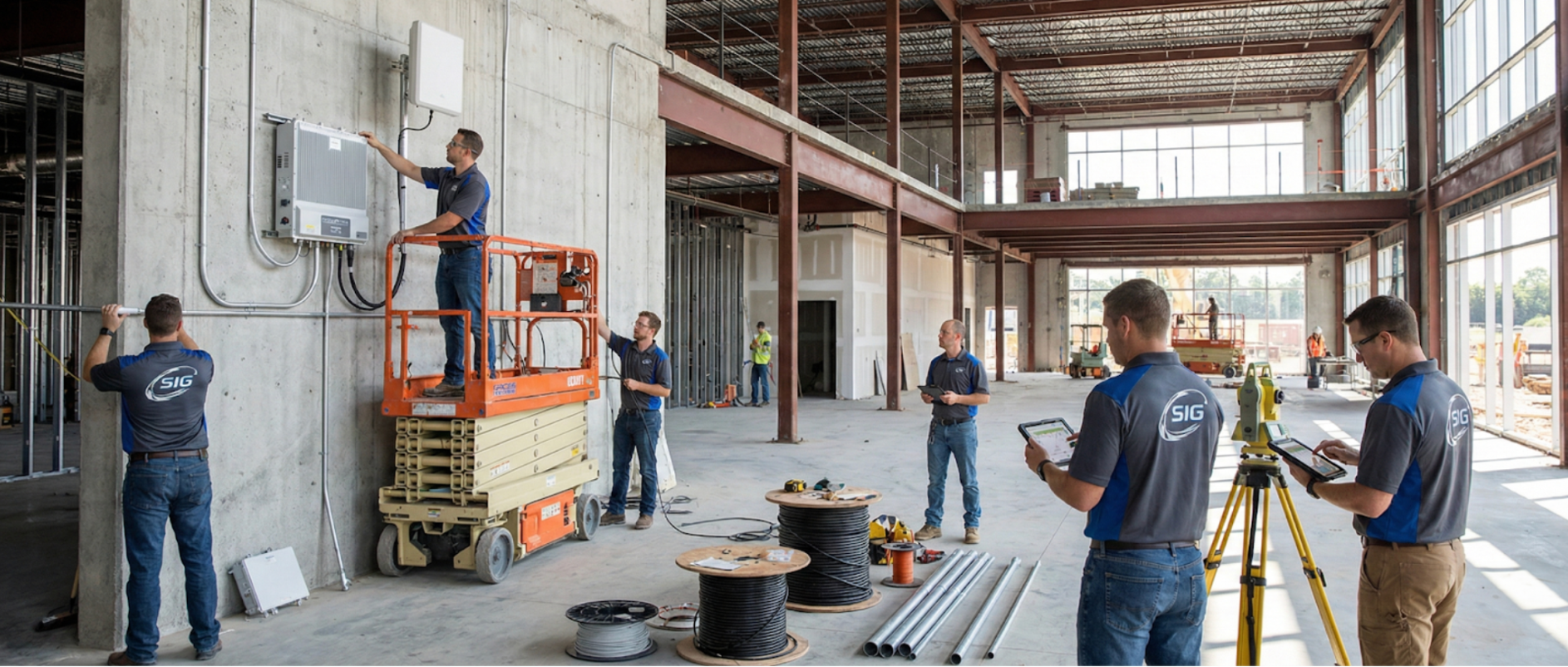
If you own or manage a commercial building in Kansas City or elsewhere in Missouri , there is a growing chance you will encounter ERCES requirements during a fire or life safety inspection. For many building owners, this comes as a surprise. The system was not required when the building was constructed, everything else passes inspection, and then the fire marshal flags radio coverage as a failure. Understanding ERCES before inspection day can save time, money, and frustration. What Is ERCES and Why It Exists ERCES stands for Emergency Responder Communication Enhancement System. You may also hear it called ERRCS or public safety DAS. Regardless of the acronym, the purpose is the same: to ensure that fire, police, and emergency responders can reliably communicate by radio inside a building. Modern construction materials such as concrete, steel, Low E glass, and energy efficient insulation often block radio signals. In larger or denser buildings, first responders may lose radio contact once they move inside. This creates a serious safety issue, not only for occupants but also for the responders themselves. ERCES systems amplify and distribute public safety radio signals throughout a building so that radios work as intended during an emergency. When ERCES Is Required in Missouri ERCES requirements are typically enforced under the International Fire Code, which Missouri jurisdictions adopt with local amendments. In Kansas City and surrounding municipalities, fire officials increasingly require radio coverage testing as part of inspections for new construction, renovations, and sometimes existing buildings. You are more likely to need an ERCES system if your building includes: Multiple floors above or below grade Underground parking garages Large square footage or deep interior spaces Thick concrete or steel construction Healthcare, industrial, or assembly occupancies In many cases, the requirement is triggered after a radio coverage test shows that responder radios do not meet minimum signal strength thresholds in critical areas. The Inspection and Testing Process One of the most common pain points for building owners is not knowing how ERCES testing works. Typically, the authority having jurisdiction will require a radio coverage test performed by a qualified provider. This test measures signal strength throughout the building using calibrated equipment. If coverage fails in more than the allowed percentage of areas, an ERCES system is required. A key detail many owners miss is that once an ERCES system is installed, it becomes a life safety system. That means it must meet strict standards for power, monitoring, survivability, and ongoing maintenance. Skipping steps or using consumer grade equipment almost always leads to failed inspections later. What an ERCES System Includes A compliant ERCES installation is more than just a signal booster. A properly designed system generally includes: A bi directional amplifier approved for public safety frequencies A distributed antenna system designed for required coverage Battery backup and often generator integration Fire rated cabling and pathways Supervisory monitoring tied into the fire alarm system Each component must meet code requirements and be installed according to manufacturer and AHJ guidelines. Missing even one of these elements can result in inspection delays or rejection. Common Mistakes That Delay Approval Building owners often run into trouble with ERCES because of decisions made too late in the process. Some of the most common mistakes include hiring a vendor without local AHJ experience, assuming a cellular booster will satisfy requirements, or trying to install the system after walls and ceilings are finished. Another frequent issue is underestimating ongoing responsibilities. ERCES systems require annual testing and documentation, which must be provided to the fire marshal upon request. Planning early, especially during design or renovation phases, makes a significant difference. How Local Jurisdictions Interpret the Rules While the fire code provides a framework, enforcement and interpretation vary by jurisdiction. Kansas City and surrounding municipalities may have specific documentation, testing procedures, or approval steps beyond the base code. This is where local experience matters. A system that passes inspection in one city may not be approved in another if reporting, labeling, or monitoring expectations differ. Working with a provider who understands local processes helps avoid surprises late in the project, and can shorten approval timelines considerably. Cost Considerations and Budget Planning ERCES systems are a significant investment, but costs vary widely depending on building size, construction type, and coverage challenges. For some buildings, minor amplification and targeted antennas may be sufficient. For others, especially large facilities, a full building wide system is required. Attempting to minimize upfront cost by cutting corners often leads to higher expenses later. Failed inspections, redesigns, and retrofit labor can quickly exceed the cost of doing it right the first time. Preparing for Inspection the Right Way If your building is approaching inspection or you suspect ERCES may be required, the best first step is a proactive radio coverage evaluation. Understanding your current signal conditions allows you to plan, budget, and coordinate with the fire marshal before deadlines loom. ERCES is not about over engineering or selling unnecessary equipment. It is about ensuring responder safety and compliance with life safety codes that continue to evolve. Addressing it early keeps your project moving forward and avoids stressful last minute fixes, which are rarely ideal. By understanding the requirements, process, and responsibilities tied to ERCES in Kansas City and Missouri, building owners can approach inspections with confidence rather than uncertainty.