
Is Your Building Ready for Fall? A Life Safety and Security Checklist for Kansas City Businesses
Fall is a good time for Kansas City businesses to take a closer look at building safety and security.
Days get shorter. Temperatures begin to drop. Holiday schedules are approaching. Buildings may have different operating hours, more deliveries, changing staff schedules, and increased after-hours activity.
It is also a good opportunity to address small problems before winter arrives.
For business owners, property managers, schools, churches, healthcare facilities, multifamily properties, and other commercial buildings, a simple fall review can help identify issues with fire alarm systems, security cameras, access control, communications, and other important building systems.
Here is a practical checklist to help get your building ready.
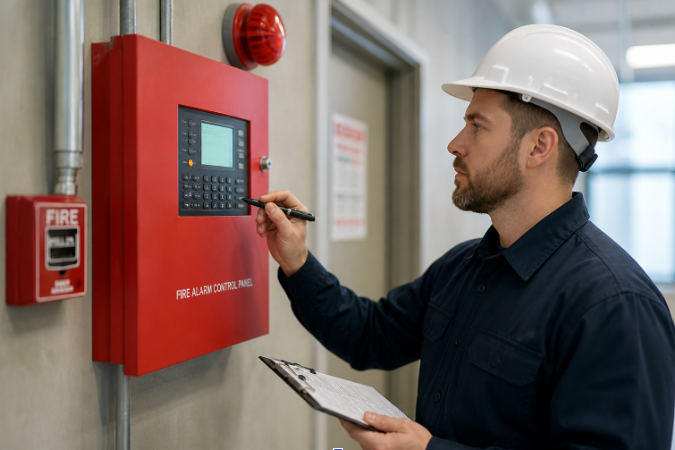
1. Check Your Fire Alarm Inspection and Testing Schedule
Start with one of the most important systems in the building: your fire alarm.
Do you know when it was last inspected and tested? Do you know when the next inspection is due?
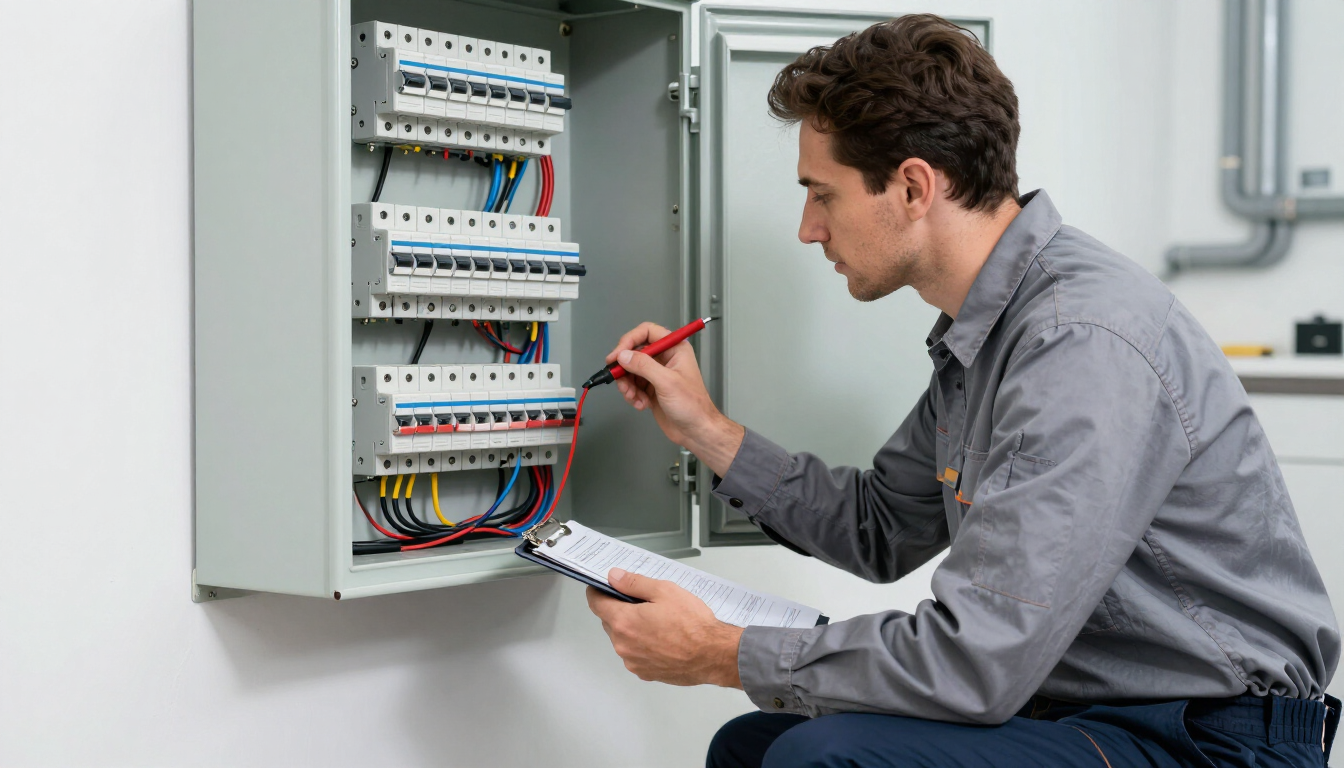
Regular inspection, testing, and maintenance helps identify problems before an emergency occurs. It can also help keep your building compliant and reduce the chance of discovering an issue at the worst possible time.
Fall is a good time to review:
- Inspection and testing dates
- Fire alarm panel conditions
- Smoke and heat detection
- Horns, strobes, and notification devices
- Pull stations
- Batteries and backup power
- Monitoring connections
- Outstanding trouble signals
- Previous inspection deficiencies
If an inspection identified a problem earlier in the year, make sure it has actually been corrected.
2. Test Your Building’s Communication Systems
Many life safety and security systems depend on reliable communication.
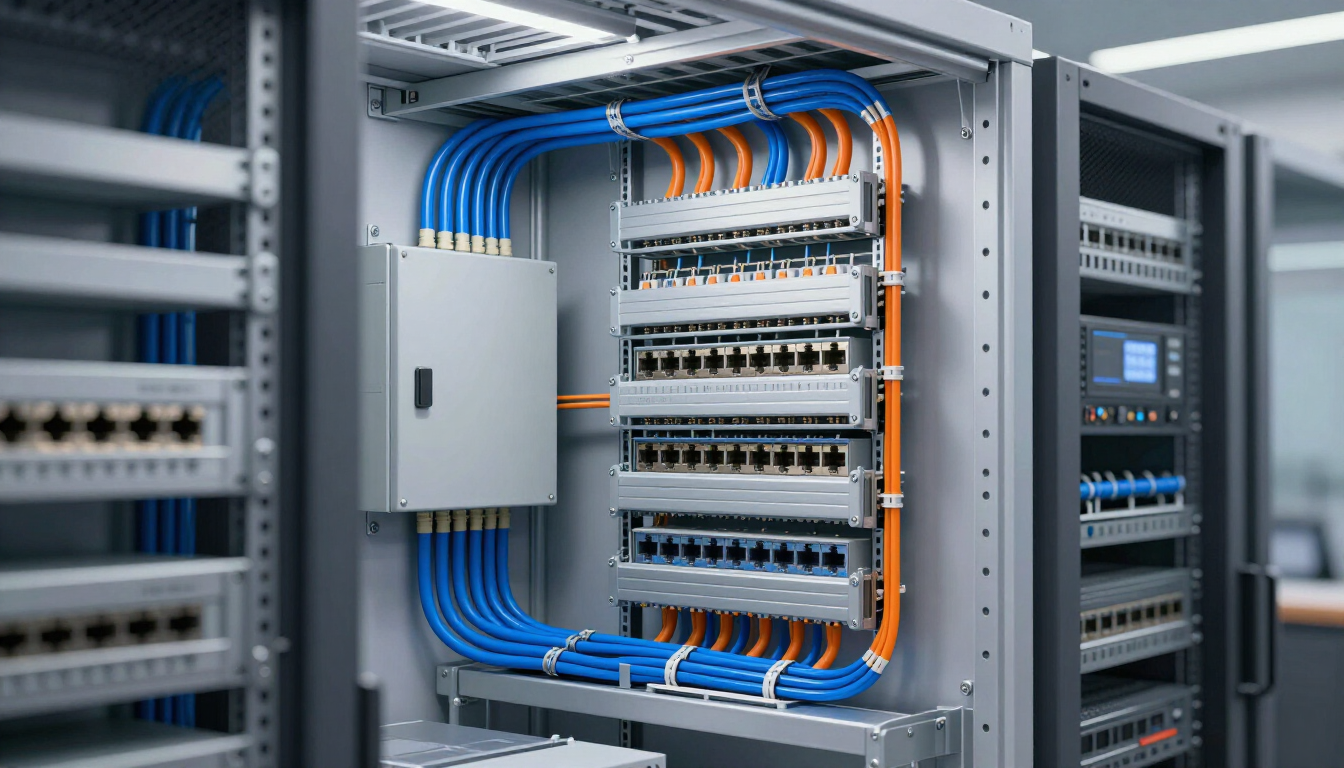
Fire alarm monitoring, elevator emergency phones, security systems, intercoms, and other equipment may need to communicate outside the building when something happens.
This is particularly important as traditional POTS telephone lines continue to be replaced by newer communication technologies.
If your building still depends on old copper phone lines, identify which systems use them and start developing a replacement plan.
Do not wait for the phone company to discontinue a line before figuring out what it supports.
3. Review Your Security Camera Coverage
Shorter fall and winter days mean more employees, tenants, customers, students, and visitors may arrive or leave when it is dark outside.
That makes fall a great time to review your video surveillance system.
Walk around the property and ask:
- Are all cameras working?
- Are entrances clearly visible?
- Can you see faces clearly?
- Are parking lots adequately covered?
- Are loading and delivery areas visible?
- Are there blind spots?
- Is nighttime footage clear?
- Are trees, signs, or other objects blocking cameras?
- Is footage being stored long enough?
- Can authorized staff find and export footage easily?
A camera that is installed but does not provide useful footage can create a false sense of security.
4. Look Closely at Parking Lots and Exterior Areas
Security should not stop at the front door.
Parking lots, sidewalks, side entrances, loading docks, gates, dumpsters, and other exterior areas deserve attention, especially as daylight hours decrease.
Walk the property after dark if possible. The building may look very different than it does during normal business hours.
Look for poorly lit areas, camera blind spots, doors that are difficult to monitor, and places where someone could approach the building without being seen.
This is also a good time to check whether exterior cameras are clean, properly positioned, and operating as expected.
5. Review Who Has Access to Your Building
Fall is also a good time to review access permissions.
Employees leave. New employees are hired. Vendors change. Contractors finish projects. Tenants move. Volunteers rotate.
Over time, access privileges can accumulate.
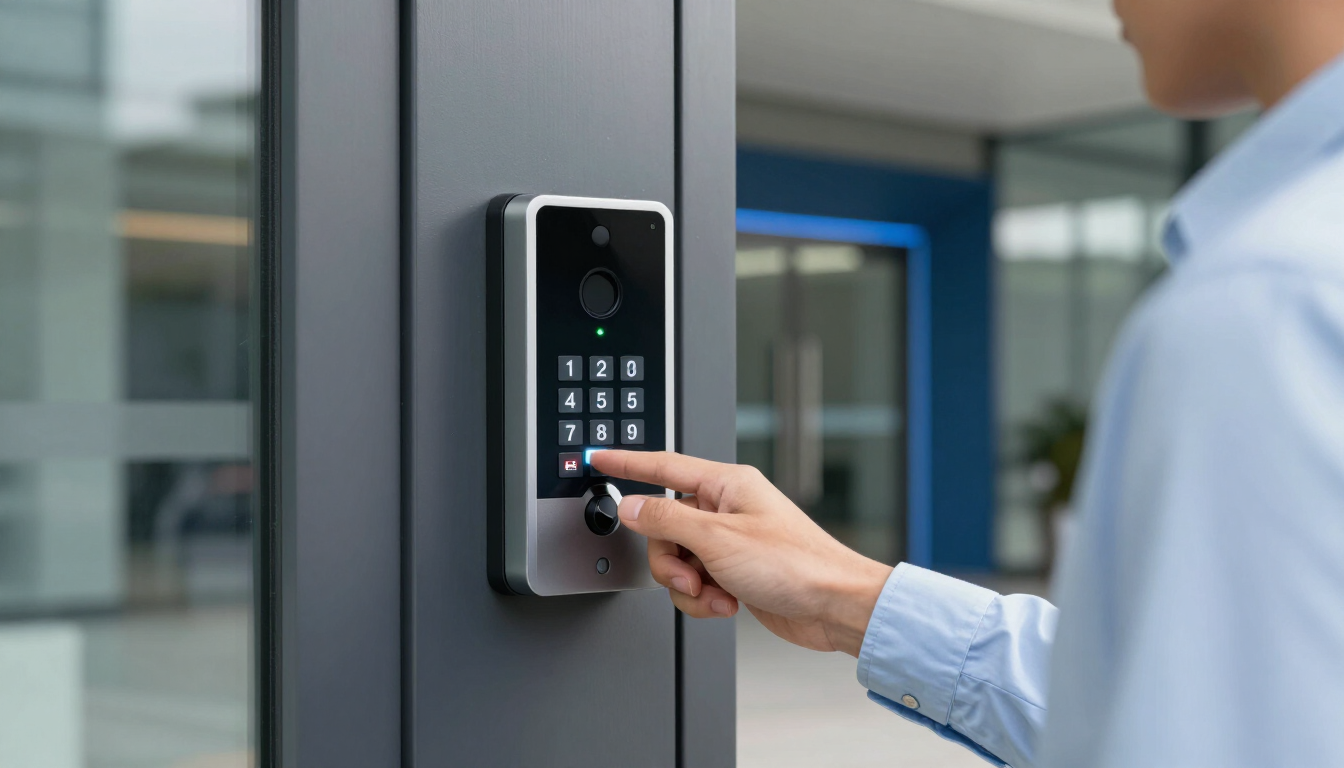
If your building uses electronic access control, review active credentials and remove access that is no longer needed.
Consider:
- Former employees
- Former tenants
- Old vendors
- Contractors
- Temporary workers
- Volunteers
- Lost cards or fobs
- After-hours permissions
- Access to restricted rooms
If your organization still relies heavily on traditional keys, ask a harder question: Do you actually know who has a key to your building?
If the answer is no, it may be time to consider access control.
6. Check Doors and Entry Points
Security technology cannot compensate for a door that does not close properly.
Walk through your building and inspect exterior doors and important interior access points.
Make sure doors close and latch properly. Look for damaged hardware, doors being propped open, malfunctioning card readers, and other issues that could allow unauthorized entry.
Pay special attention to entrances that are used less frequently.
A side or rear door that receives little attention can become one of the building’s biggest security vulnerabilities.
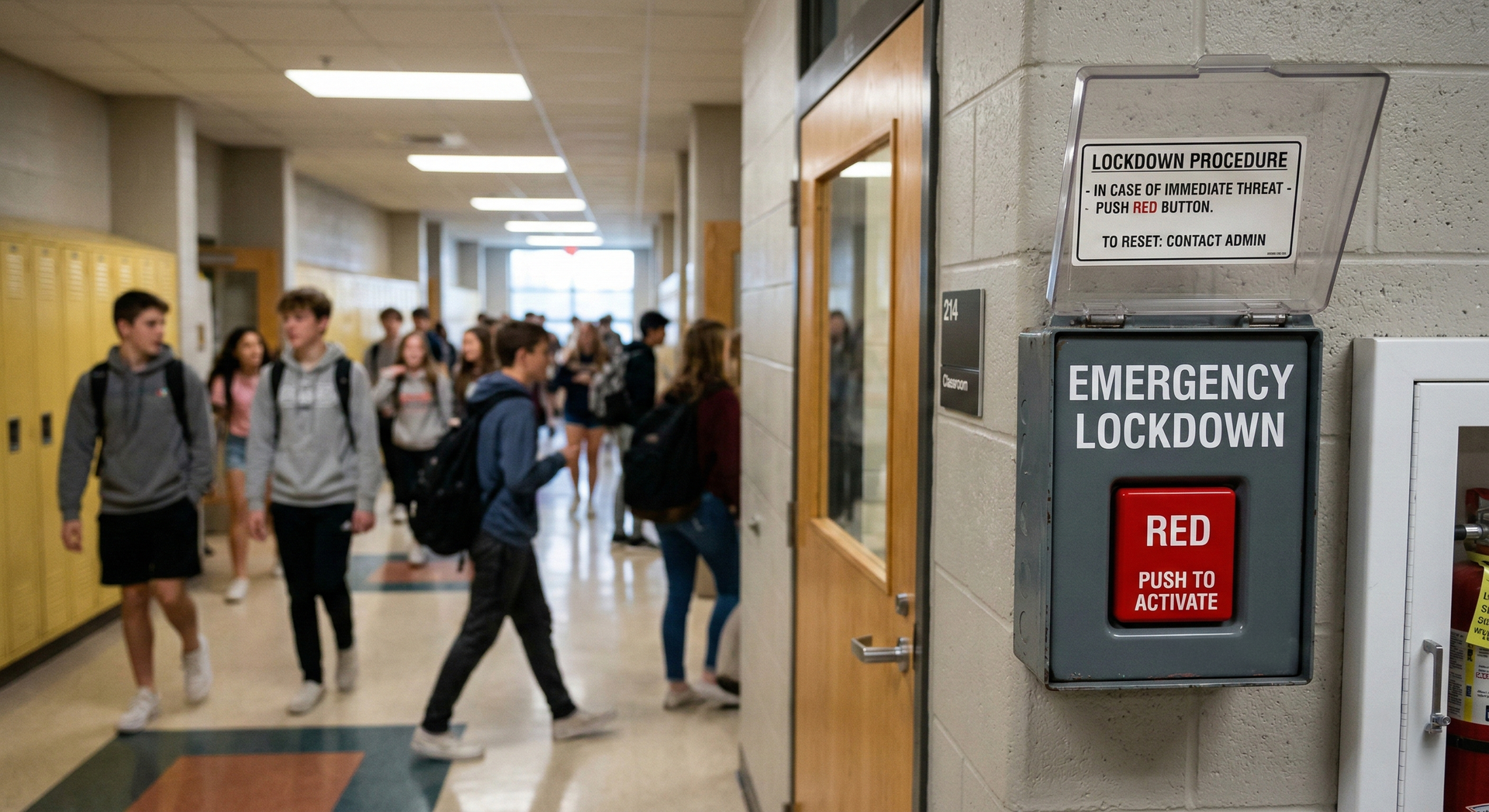
7. Review Emergency Communication
If an emergency happened today, how would you communicate with people throughout the building?
Depending on the facility, this may involve paging, intercoms, mass notification, emergency phones, fire alarm notification, or other communication systems.
Schools, churches, healthcare facilities, larger offices, industrial facilities, and public buildings should pay particular attention to this area.
Make sure the systems your emergency plan depends on are actually working and that staff understand how they are used.
8. Address Trouble Signals and Small Problems
Small problems have a way of becoming permanent when everyone gets used to them.
Maybe a camera has been offline for months. A door reader works only sometimes. The fire alarm panel has an intermittent trouble signal. An intercom has stopped working. A staff member has been meaning to call someone about an issue.
Fall is a good time to clear that list.
Life safety and security problems should not become part of the normal operation of the building.
If something is not working properly, have it evaluated and serviced.
9. Think About Holiday and After-Hours Security
Fall leads quickly into the holiday season.
Businesses may close for additional days, employees may take vacation, schools may have extended breaks, and buildings may sit empty for longer periods.
There may also be more packages, deliveries, temporary workers, events, and visitors.
Review your plans for:
- Holiday building schedules
- After-hours access
- Temporary credentials
- Deliveries
- Alarm monitoring
- Camera alerts
- Building closures
- Vendor access
- Emergency contacts
Making these decisions ahead of time is much easier than responding to a security issue during a holiday weekend.
10. Start Planning Next Year’s Upgrades
Not everything needs to be replaced immediately.
A fall assessment can help identify which systems are working well, which need service, and which should be included in next year’s budget.
Maybe your cameras need better coverage. Perhaps traditional keys need to be replaced with access control. Your fire alarm system may be aging. Your building may still rely on POTS lines. Or several separate systems may need to be integrated.
Identifying those needs now gives your organization time to plan and budget instead of waiting for a failure.
A Fall Checkup Can Prevent Winter Problems
You do not need to wait for an inspection failure, security incident, or system outage to evaluate your building.
Taking a proactive approach can help uncover problems while there is still time to address them.
For Kansas City businesses and organizations, fall is a natural time to review the systems that protect your people, property, and operations.
Get Your Kansas City Building Ready for Fall
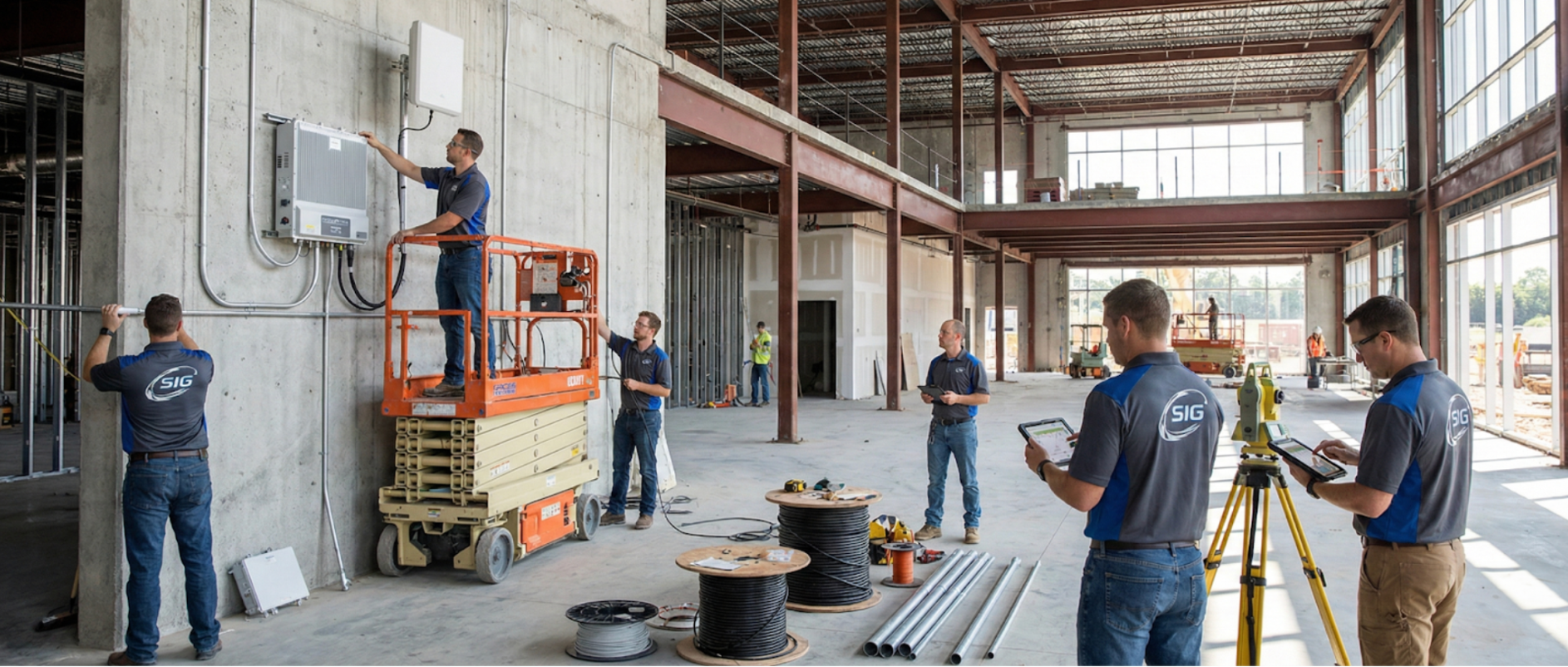
System Integration Group helps commercial and institutional clients throughout the Kansas City Metro inspect, service, install, and upgrade fire alarm, life safety, security, access control, video surveillance, communication, and low-voltage systems.
If you are not sure whether your building is ready for the months ahead, SIG can help you identify what is working, what needs attention, and what should be part of your long-term plan.
Contact System Integration Group today to schedule a life safety and security system assessment for your Kansas City property.