

Fire Alarm System Upgrades vs. Full Replacement: How to Know What Your Building Really Needs
At some point, every building owner faces the same question. Is it time to upgrade the fire alarm system, or is a full replacement the smarter move?
It sounds like a straightforward decision, but it rarely is. Both options can improve safety and bring your building into compliance. The challenge is knowing which path actually makes sense for your situation.
If you are trying to decide between a fire alarm system upgrade and a full replacement, it helps to step back and look at what your system is really telling you.
Why This Decision Deserves a Closer Look
A fire alarm system is not something you can afford to guess on. It plays a direct role in life safety, building compliance, and liability.
When systems begin to age, the warning signs are not always dramatic. Sometimes it shows up as a nuisance trouble signal, a device that needs constant attention, or an inspection that suddenly gets more complicated than it used to be.
The risk is going too far in either direction. Replacing a system too early can be a heavy and unnecessary expense. Waiting too long can lead to repeated failures, rising service costs, and exposure during an emergency.
The right decision sits somewhere in the middle, and it starts with understanding the difference between upgrading and replacing.
What a Fire Alarm System Upgrade Really Means
An upgrade focuses on improving the system you already have. It is not about starting over. It is about strengthening what is still working and modernizing the areas that are not.
In many buildings, that might mean updating the control panel, replacing aging devices, or improving how the system communicates with monitoring services. Sometimes it also involves expanding coverage if the building has changed over time.
When the core of the system is still solid and supported by the manufacturer, an upgrade can extend its life and bring it in line with current expectations.
When an Upgrade Is the Right Call
There are plenty of cases where a fire alarm system upgrade makes practical sense.
If your system is still passing inspections and replacement parts are available, that is usually a good sign that you are not at the end of the road yet. Many systems can continue performing well with targeted improvements.
You might also notice that issues are limited to specific areas. A few failing devices or outdated components do not always justify replacing everything. In those situations, a focused upgrade can solve the problem without creating unnecessary disruption.
Another factor is timing. Some building owners prefer to improve systems in stages rather than take on a large capital expense all at once. A well-planned upgrade strategy can make that possible while still improving reliability.
When a Full Fire Alarm System Replacement Makes More Sense
There is a point where upgrading starts to feel like patchwork. That is usually when a full fire alarm system replacement needs to be taken seriously.
One of the clearest signs is when a system becomes unreliable. Frequent false alarms, recurring trouble signals, or failed inspections often point to deeper issues that upgrades will not fix.
Obsolescence is another major factor. When manufacturers stop supporting a system, even small repairs can turn into a challenge. Parts become harder to find, costs go up, and downtime increases.
You may also run into limitations with code compliance. As fire codes evolve, older systems may not be capable of meeting new requirements without significant changes. At that point, starting fresh can be more efficient than trying to force an outdated system to keep up.
Building changes can also drive the decision. Renovations, expansions, or shifts in occupancy can outgrow the design of the original system. A replacement allows you to align your fire alarm system with how the building is actually used today.
Looking Beyond the Upfront Cost
Cost is always part of the conversation, but it should not be the only factor.
An upgrade will usually come with a lower upfront price, which makes it appealing in the short term. A full replacement requires a larger investment, but it often reduces service calls, improves reliability, and positions the building for the future.
It helps to think in terms of total cost over time. A system that needs constant attention can quietly become more expensive than a new system that runs clean and passes inspections without issue.
The Growing Importance of Integration
Modern fire alarm systems are no longer isolated. They are part of a larger network of building systems that need to work together during critical moments.
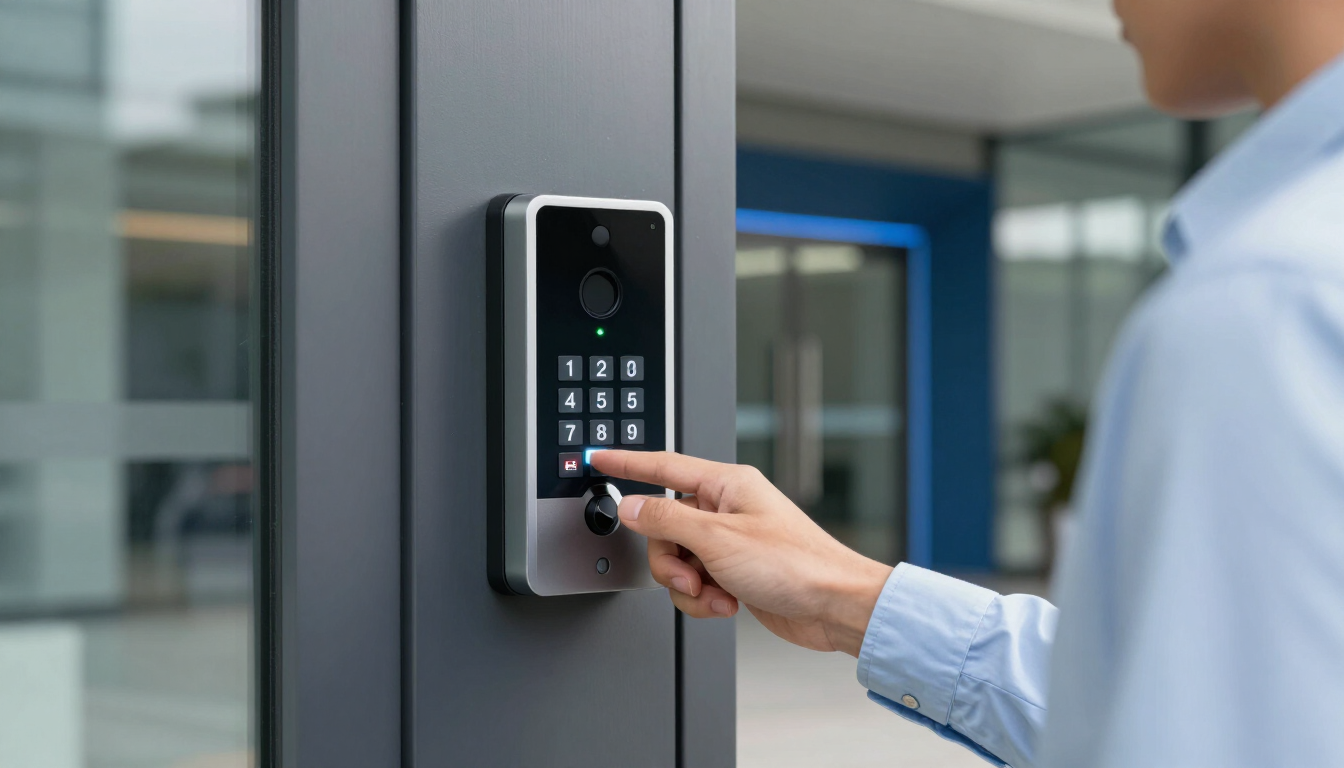
If your current system cannot communicate effectively with other systems like access control, elevators, or emergency communications, that limitation can become a problem. In some cases, this is the tipping point that pushes a building toward full replacement rather than continued upgrades.
A newer system is often designed with integration in mind, which makes the building more responsive and easier to manage when it matters most.
Making a Clear, Confident Decision
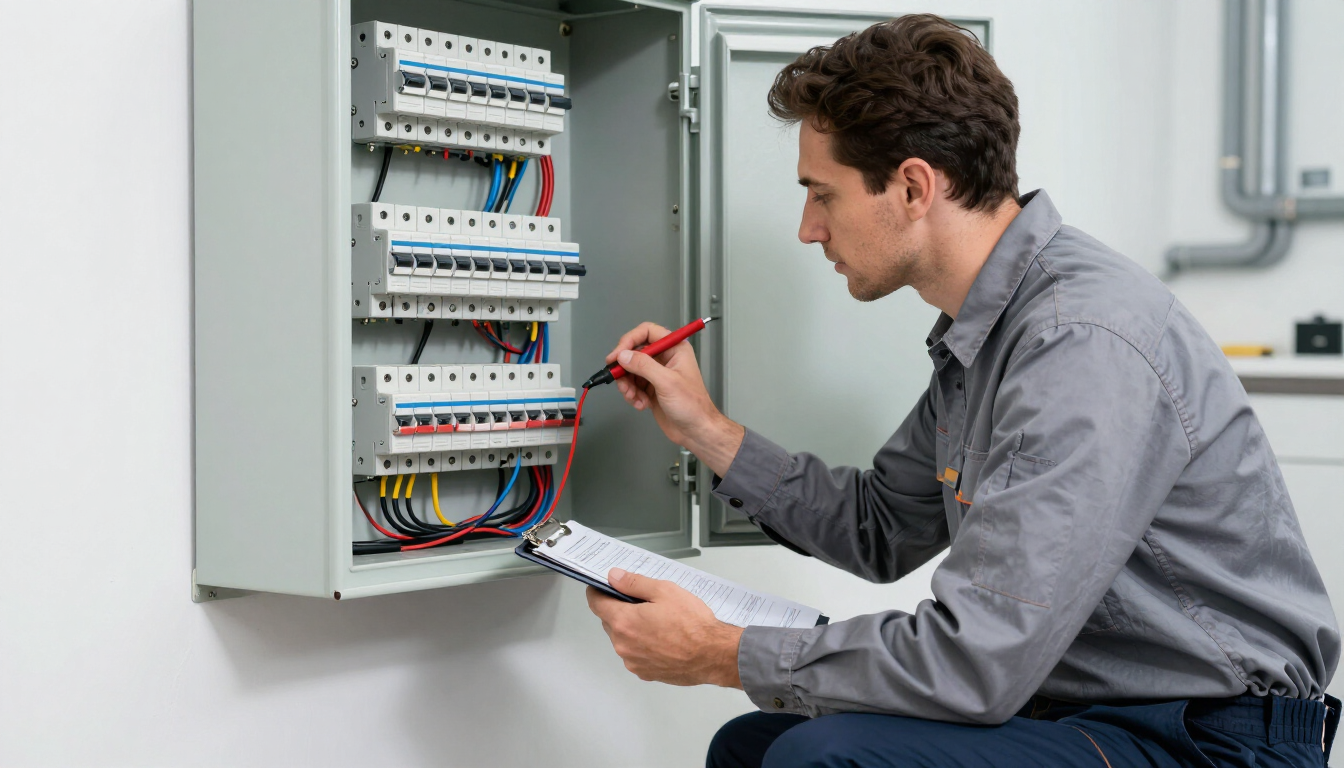
The best way to approach this decision is with a clear assessment of your current system. That means looking at its age, condition, service history, and ability to meet current code requirements.
From there, the path usually becomes more obvious. Some systems simply need a thoughtful upgrade to keep performing well. Others have reached a stage where replacement is the more responsible long-term decision.
A Practical Approach from System Integration Group
At System Integration Group, we work with building owners who are trying to answer this exact question.
Our role is not to push you toward an upgrade or a full replacement. It is to evaluate what you have, identify the risks, and help you choose the option that makes the most sense for your building.
The goal is simple. A fire alarm system that is reliable, compliant, and ready when you need it.
Not Sure Where Your System Stands?
If you are on the fence about whether to upgrade your fire alarm system or move forward with a full replacement, a professional evaluation is the best place to start.
We can help you understand exactly where your system stands and what your next step should be. Reach out to System Integration Group to schedule a consultation.