
Inspection and Testing: Why It’s Important to Have Your System Tested, Inspected, and Serviced on Time
Fire alarm, life safety, and security systems are easy to overlook when everything seems to be working. The panel is quiet. The building is operating normally. No one is thinking about the system until there is a trouble signal, an inspection deadline, or an emergency.
But these systems are not designed to be “set it and forget it.” They need routine inspection, testing, and service to make sure they are ready when people need them most.
For commercial buildings, schools, multifamily properties, churches, healthcare facilities, and industrial spaces, timely inspection and testing is not just a good maintenance habit. It is a key part of protecting people, protecting property, staying compliant, and avoiding costly surprises.
Your System Has to Work When It Matters Most
The main purpose of a fire alarm or life safety system is simple: alert people quickly, help them respond safely, and support first responders during an emergency.
If a device is dirty, damaged, disconnected, obstructed, outdated, or not communicating properly with the control panel, the system may not perform the way it should. A small issue that goes unnoticed during normal operations can become a serious problem during an emergency.
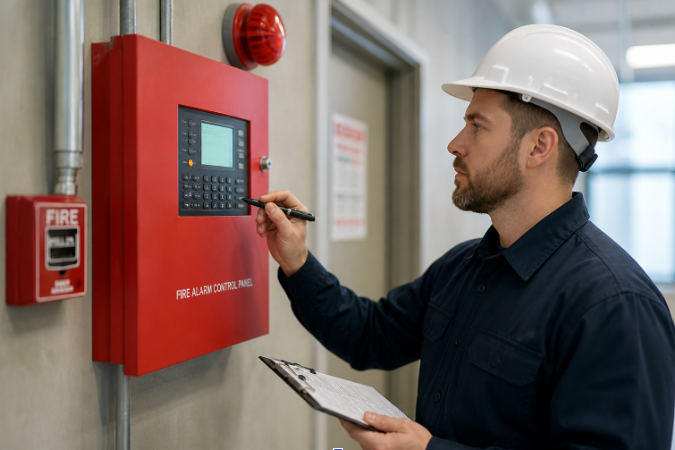
Regular inspection and testing helps verify that important parts of the system are working properly, including:
- Control panels
- Pull stations
- Smoke detectors
- Heat detectors
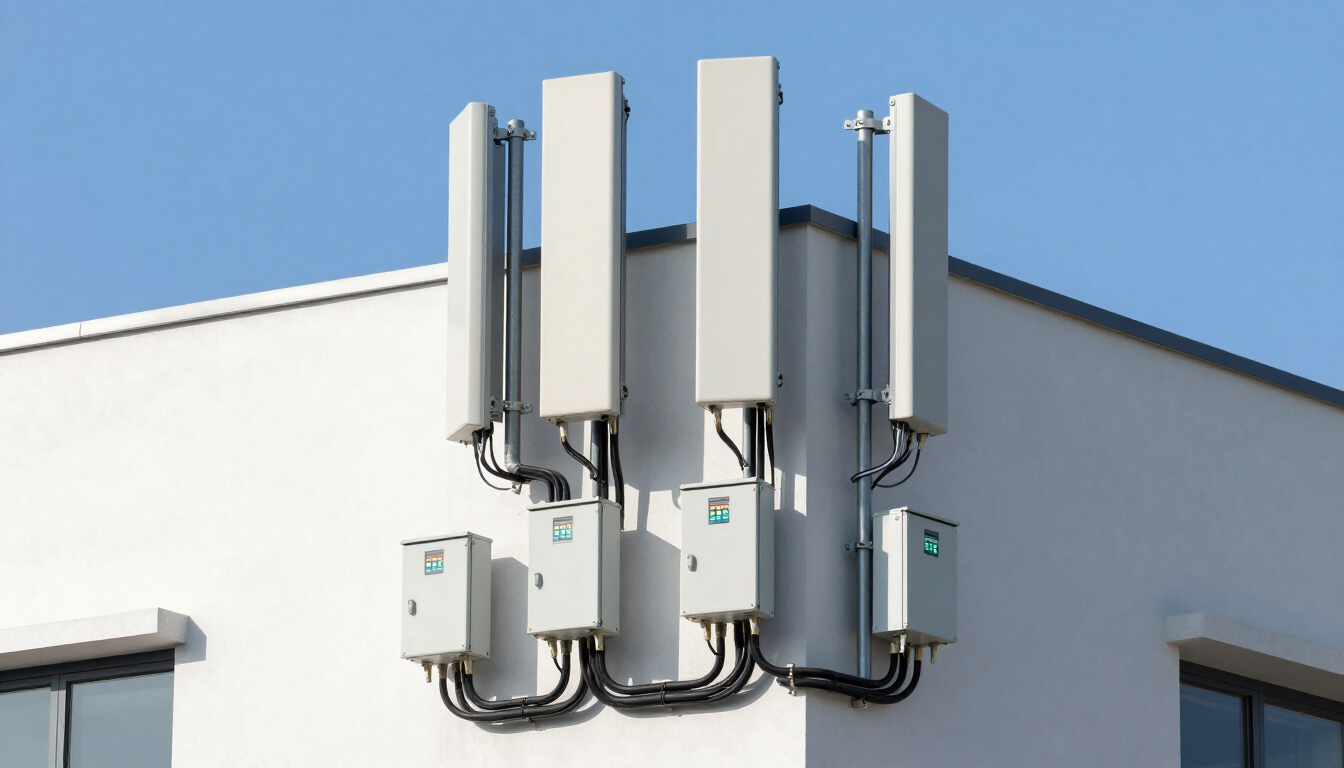
- Horns, strobes, and notification devices
- Batteries and power supplies
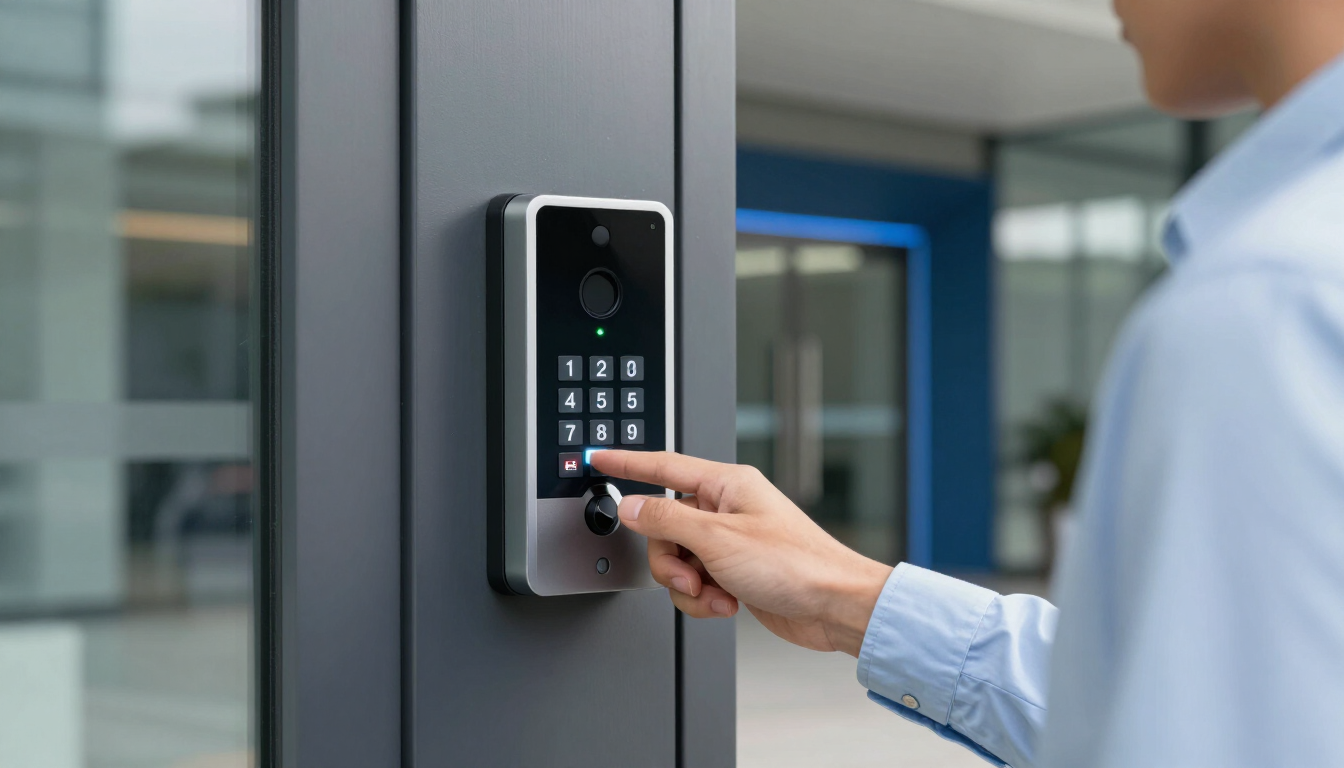
- Monitoring connections
- Communication pathways
- Annunciators
- Connected building systems
When these components are inspected and tested on schedule, building owners and facility managers have greater confidence that the system is ready to respond.
Inspection and Testing Helps Keep Your Building Code Compliant
Fire alarm and life safety systems are subject to local code requirements, adopted standards, and authority having jurisdiction requirements. In many cases, building owners are responsible for keeping systems inspected, tested, maintained, and documented.
That documentation matters.
If the fire marshal, insurance company, property manager, school administrator, or building owner needs proof that the system has been tested, clear records can help show that the building is being managed responsibly.
Missing inspections or incomplete documentation can create unnecessary stress, delays, violations, or added expense. Staying ahead of the schedule is much easier than trying to catch up after a problem is discovered.
Timely Service Can Prevent Bigger Repairs Later
A routine inspection can uncover small issues before they become bigger problems.
For example, an inspection may reveal a device that needs cleaning, a battery that is near the end of its life, a trouble condition, a communication issue, a damaged notification appliance, or a component that no longer meets the needs of the building.
Addressing those items early can often help avoid emergency service calls, failed inspections, system downtime, and more expensive repairs.
In many buildings, the life safety system is connected to other systems or building operations. When one part of the system is not working correctly, it can affect more than one area of the property. Timely service helps reduce that risk.
Inspection and Testing Protects More Than the Building
Fire alarm and life safety systems are about people first.
Employees, students, residents, patients, visitors, tenants, and first responders all depend on these systems to do their job. A properly maintained system can help people get out safely, reduce confusion, and support a faster emergency response.
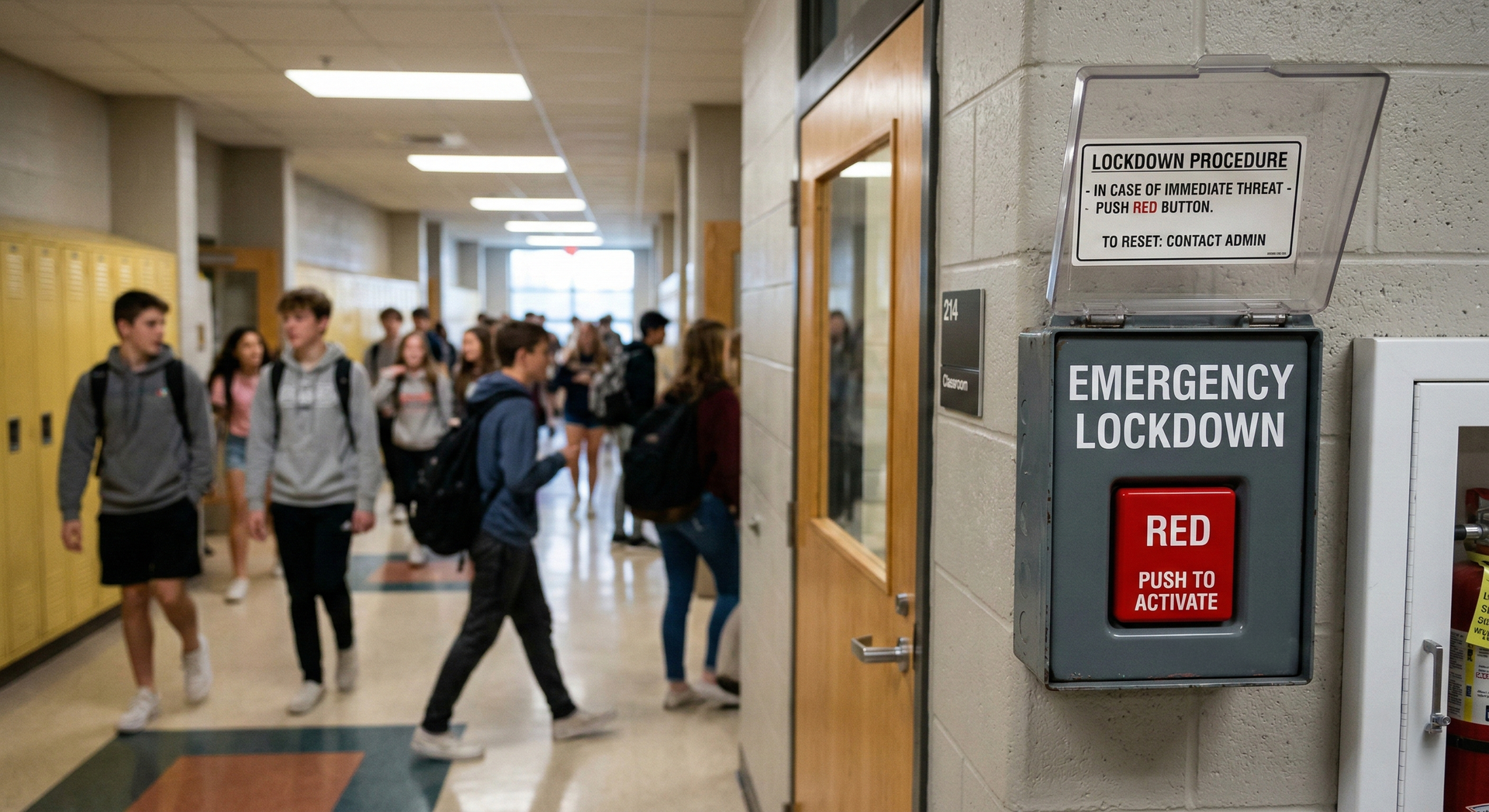
For schools and public buildings, this is especially important. Families, staff, and community members expect the building to be prepared. Routine inspection and service is one practical way to steward that responsibility well.
It Also Helps Protect Owners, Managers, and Organizations
When something goes wrong, one of the first questions is often, “Was the system maintained properly?”
Regular inspection, testing, and service helps reduce liability by showing that the property owner or organization took reasonable steps to maintain the system. It also helps support insurance requirements, lease obligations, safety policies, and internal facility standards.
Skipping inspections may save a little time in the moment, but it can create much larger problems later.
Don’t Wait for a Trouble Signal
A trouble signal should never be ignored, but it also should not be the only time your system gets attention.
The better approach is to stay on a routine schedule. Planned inspection and service helps your team know what is working, what needs attention, and what should be budgeted for in the future.
This is especially helpful for older buildings, growing facilities, or properties that have gone through renovations, tenant changes, additions, or technology upgrades.
What Happens During a Professional Inspection?
A professional inspection may include visual inspection, functional testing, device testing, panel review, documentation, troubleshooting, and recommendations for repair or service.
The goal is not just to check a box. The goal is to verify that the system is operating properly and to identify anything that could affect performance, compliance, or safety.
A qualified life safety provider can also help explain what needs immediate attention, what should be monitored, and what may need to be upgraded over time.
Stay Ahead of the Deadline
Waiting until the last minute can create problems, especially if the inspection reveals needed repairs. If parts need to be ordered, programming needs to be updated, or a technician needs to return for service, a tight deadline can become stressful quickly.
Scheduling inspection and testing in a timely manner gives your team room to address issues before they become urgent.
It also helps keep your building inspection-ready throughout the year.
Work With a Qualified Life Safety Partner
At System Integration Group, we serve the Kansas City Metro with fire, life safety, security, and communication solutions for commercial and institutional buildings. Our team understands the importance of reliable systems, clear documentation, and timely service. We have certified technicians with factory and nicet certifications.
Whether your building needs routine inspection, testing, troubleshooting, service, upgrades, or a larger system evaluation, SIG can help you take the next step with confidence.
If your system is due for inspection or you are not sure when it was last tested, now is the right time to schedule service.
Schedule Inspection and Testing for Your Building
Do not wait until there is a problem, a failed inspection, or an emergency.
Contact System Integration Group today to schedule fire alarm, life safety, or security system inspection and testing for your facility in the Kansas City Metro.